You know, sometimes we think of medical advancements as a relatively modern phenomenon, mostly coming from the last few centuries. But what if I told you that many of the core concepts, ethical practices, and even surgical tools we use today have roots stretching back to a vibrant, often overlooked era?
I’m talking about the incredible contributions made during the Islamic Golden Age. It’s truly fascinating to realize how much of what we consider groundbreaking now was meticulously studied, documented, and innovated upon by brilliant minds centuries ago.
From establishing some of the world’s first hospitals with dedicated wards to pioneering surgical techniques and developing sophisticated pharmacology, Islamic scholars didn’t just preserve ancient knowledge—they dramatically expanded it, laying a foundation that truly shaped modern medicine as we know it.
I’ve personally found myself amazed by the depth of their work, like Al-Razi distinguishing measles from smallpox, or Ibn Sina’s “Canon of Medicine” becoming a standard textbook for hundreds of years.
It makes you wonder how different our healthcare landscape would be without their profound impact! Let’s explore this rich history and its lasting legacy in detail.
The Blueprint for Healing: Revolutionary Hospitals and Patient Care
You know, it’s easy to think of hospitals as a purely modern invention, but if you trace their lineage, you’ll find their true genesis in an unexpected place: the Islamic Golden Age. I’ve always been fascinated by how these pioneers essentially wrote the manual for organized healthcare. What they built, known as Bimaristans, weren’t just places to get well; they were vibrant hubs of learning, research, and truly compassionate care for everyone, regardless of their background or wealth. Imagine a time when medical care wasn’t just for the elite! They set a standard for patient-centered treatment that, frankly, many modern systems are still striving for. It makes you pause and realize just how far ahead of their time these thinkers truly were, focusing on the patient as a whole person, not just a set of symptoms. This holistic approach resonates so deeply even today, underlining the intricate connection between body, mind, and spirit in healing.
Establishing the First True Hospitals
The concept of a public hospital, accessible to all and offering comprehensive care, really took off during this period, around the 8th century. When I first learned about Baghdad’s first major Bimaristan, established by Harun al-Rashid, it totally blew my mind. These weren’t simply infirmaries; they were purpose-built institutions that featured separate wards for different ailments, distinguishing between men and women, and even isolating patients with infectious diseases to prevent spread. Think about that for a second – infection control centuries ago! They also had specialized departments, like ophthalmology and surgery, showing an incredible level of medical specialization that was unheard of elsewhere at the time. It’s truly amazing how they laid down the architectural and organizational blueprints that would influence hospital design and management for centuries to come, even in Europe. I often wonder what it must have been like to walk into one of these bustling centers of healing and knowledge.
Beyond Treatment: Education and Research Hubs
What often gets overlooked is that these Bimaristans weren’t just for healing; they were also groundbreaking centers for medical education and research. This is something I personally find incredibly exciting – the idea of combining patient care with cutting-edge learning. Medical students received practical training, learning how to conduct physical examinations, take detailed patient notes, and administer treatments right alongside experienced physicians. They established systematic teaching methods and comprehensive curricula, setting up institutions focused on both theoretical and practical knowledge. It wasn’t just about reading books; it was about hands-on experience, empirical observation, and continuous learning. Many of the extensive medical compendiums and reference books that became standard texts for hundreds of years were compiled within these very institutions, ensuring that knowledge was not only generated but also meticulously recorded and disseminated. They truly embodied the principle of continuous learning and innovation.
Beyond the Blade: Surgical Mastery and Ingenious Instruments
When we think of sophisticated surgery, our minds often jump to modern operating theaters with all their high-tech gadgets, right? But what if I told you that many fundamental surgical concepts and even instrument designs have their origins in the Islamic Golden Age? I’ve personally been awestruck by the sheer ingenuity of physicians like Abu al-Qasim al-Zahrawi, often hailed as the “father of modern surgery.” His work wasn’t just about making small improvements; he truly revolutionized surgical techniques and designed an array of instruments that were incredibly advanced for his time. It really makes you appreciate the human capacity for innovation, even with limited resources. He compiled a detailed textbook that remained a go-to reference for centuries, not just in the Islamic world but also significantly influencing European medical practices. This wasn’t just about preserving knowledge, but dramatically expanding it.
Pioneering Procedures and Instrument Design
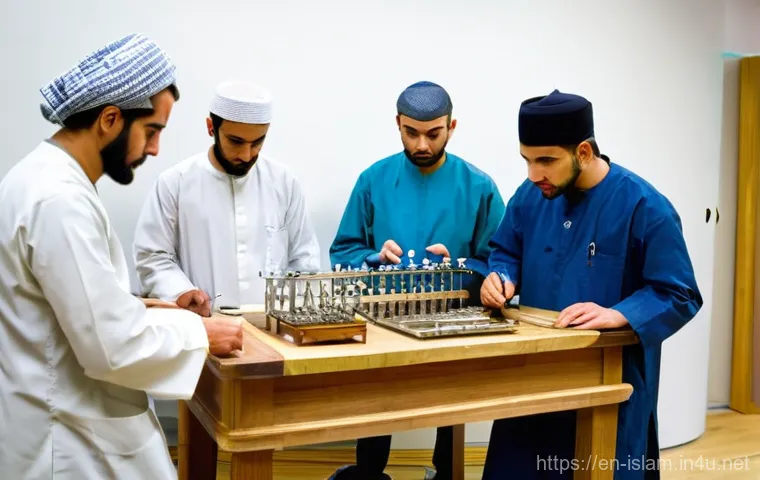
Al-Zahrawi, known as Abulcasis in the West, wasn’t just a theorist; he was a practical surgeon who detailed numerous procedures in his magnum opus, “Kitab al-Tasrif” (The Method of Medicine). This wasn’t some dry medical treatise; it was a comprehensive guide that described procedures for everything from lithotomy (removing bladder stones) to tracheotomy and even thyroidectomy. What’s even more remarkable is that his work included illustrations of over 200 surgical instruments, many of which he designed himself. Can you imagine creating that many specialized tools from scratch? I mean, some of these designs are still recognizable in modern surgical sets! He emphasized proper wound care and hygiene, concepts that are fundamental to preventing infection today, but were truly visionary back then. It’s a testament to his expertise and meticulous approach that his surgical methods were adopted and taught for hundreds of years.
The Art of Anesthesia and Pain Management
One aspect that truly puts their surgical prowess into perspective is their understanding and use of anesthesia. While perhaps not as advanced as today’s methods, these surgeons certainly recognized the importance of pain relief during procedures. Physicians like Al-Razi and Ibn Sina utilized substances such as opium, mandrake, and other herbal compounds to induce anesthesia, making surgeries more bearable for patients. Al-Razi even recommended opium for pain management and treating melancholy. This pragmatic approach to alleviating suffering demonstrates a deep level of empathy and practical skill. It wasn’t just about cutting; it was about caring. They carefully documented the effects and dosages, showing a scientific rigor in understanding how these powerful substances interacted with the human body. Their insights into analgesia and hypnosis, described in texts like Ibn Sina’s “Canon of Medicine,” showcase an impressive early pharmacological understanding that truly paved the way for future advancements in pain relief.
The Alchemist’s Touch: Pharmaceutical Wonders and Herbal Wisdom
Stepping into the world of Islamic pharmacology is like witnessing the birth of modern pharmacy. I’ve always been fascinated by how these scholars didn’t just passively use remedies; they meticulously experimented, documented, and even established the very first pharmacies. It’s an area where their empirical approach truly shone, moving beyond ancient superstitions to a more systematic understanding of medicinal properties. Think about the impact of detailed pharmaceutical texts that were used for centuries – that’s some serious staying power! They truly laid the groundwork for how we study, prepare, and dispense medicines today, drawing from a rich tapestry of knowledge from various cultures and then expanding upon it with their own profound discoveries.
Revolutionizing Drug Preparation and Dispensaries
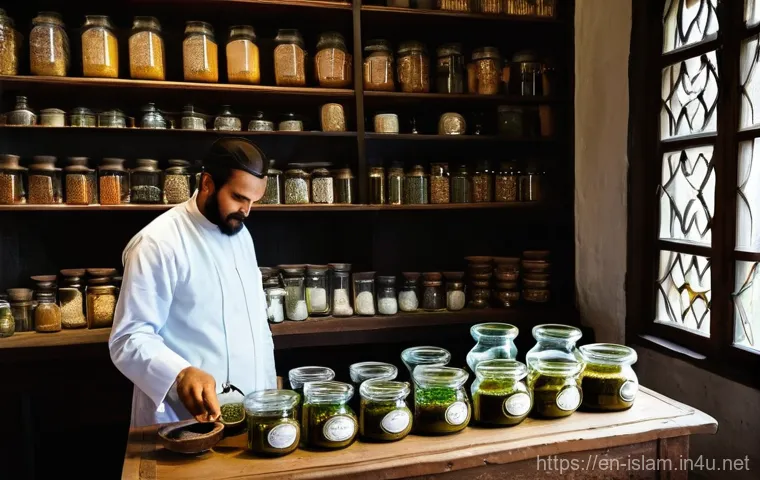
The Islamic Golden Age saw the emergence of dedicated pharmacies and apothecaries, a critical step in professionalizing medicine. These weren’t just shops; they were places where drugs were prepared, standardized, and dispensed, often under strict ethical guidelines. Scholars utilized a diverse range of herbal and pharmacological treatments, meticulously cataloging their effects. For instance, figures like Ibn Sina described opium not just for its pain-relieving qualities but also its potential as a poison, detailing methods of delivery and recommended doses in his “Canon of Medicine”. This level of detail speaks volumes about their commitment to understanding both the benefits and risks of medicines. It’s mind-boggling to think that without their efforts, many ancient texts on herbal medicine might have been lost forever. I often find myself thinking about how they balanced innovation with a deep respect for established knowledge.
The Science Behind the Remedies: From Herbs to Compounds
What sets Islamic pharmacology apart is its emphasis on scientific method and empirical observation, even in the realm of herbal medicine. They didn’t just use plants; they actively studied them. Physicians like Al-Razi experimented with methods for testing the efficacy of drugs, striving for a deeper understanding of how remedies worked within the body. This wasn’t just about traditional knowledge; it was about moving towards what we would recognize today as evidence-based practice. They built upon Greek, Roman, and Persian traditions, but critically, they enriched the existing body of medical knowledge with their own findings. This includes the extensive use of herbs and compounds, which formed the basis for later pharmacopeias in Europe. I’ve always admired how they embraced knowledge from all corners of the world and then rigorously refined it, turning anecdotal evidence into a structured scientific discipline.
Solving Medical Mysteries: A New Era of Diagnosis and Clinical Insight
Have you ever wondered how doctors centuries ago figured out what was wrong with people without all our modern scanning equipment and lab tests? It’s a challenge I’ve often pondered, and the answer lies, in large part, with the incredible diagnostic advancements made during the Islamic Golden Age. This wasn’t just about guessing; it was about a revolutionary emphasis on meticulous observation, careful clinical examination, and systematic record-keeping. I genuinely believe that this period established the foundation for the doctor-patient interview and the diagnostic process we still rely on today. They recognized that listening to the patient and observing their symptoms were crucial for understanding and treating illness, a principle that continues to be paramount in modern medicine. Their dedication to documenting everything was truly ahead of its time.
The Art of Clinical Observation and Patient Interviews
One of the most profound contributions was the elevation of clinical observation and patient interviews to a central role in diagnosis. Physicians like Al-Razi placed great importance on the relationship between doctor and patient, advocating for a Hippocratic approach where all patients were regarded as equal and worthy of attention. He stressed the need for thorough patient interviews, believing that a detailed understanding of symptoms and medical history was essential for accurate diagnosis. This wasn’t just a fleeting idea; it became a cornerstone of medical practice. I’ve found that even today, a good doctor-patient conversation can be more insightful than any scan. The commitment to empirical observation meant physicians encouraged detailed recording of symptoms, which helped them track disease progression and amend treatments based on past experience. This methodical approach truly transformed medicine from an art of guesswork to a science of careful deduction.
Differentiating Diseases: A Crucial Step Forward
Perhaps one of the most brilliant diagnostic achievements was the ability to distinguish between diseases that had previously been conflated. Al-Razi, for example, is famously credited with writing “On Smallpox and Measles” (Al-Judari wa al-Hasbah), where he clearly identified the key differences between these two highly infectious diseases. Before his work, they were often treated as the same illness, leading to ineffective care. This was a monumental leap in diagnostic accuracy, allowing for more targeted treatments and better patient outcomes. It showcased a keen understanding of epidemiology and the distinct pathologies of different conditions. For me, this particular discovery highlights the rigorous intellectual curiosity of these scholars – they weren’t content with superficial similarities; they delved deep to understand the underlying distinctions, which is a hallmark of true scientific inquiry.
Knowledge is Power: The Legacy of Medical Texts and Learning
You know, there’s something incredibly powerful about knowledge being passed down through generations, and nowhere is this more evident than in the medical texts of the Islamic Golden Age. It wasn’t just about discovering new things; it was about meticulously compiling, preserving, and expanding upon existing knowledge from ancient civilizations and then adding their own groundbreaking insights. When I think of how long works like Ibn Sina’s “Canon of Medicine” were used as standard textbooks, it really drives home the immense authority and comprehensive nature of these scholarly endeavors. They basically created the encyclopedias of their time, and their impact reverberated for centuries, shaping the minds of countless physicians, East and West. It shows a true dedication to education and the dissemination of information, ensuring that progress wasn’t just made but also shared.
The “Canon of Medicine” and Other Encyclopedic Works
Ibn Sina, known as Avicenna in the West, was a polymath whose five-volume “Al-Qanun fi al-Tibb” (The Canon of Medicine) is perhaps the most iconic medical text of the era. This wasn’t just a book; it was a medical bible that systematically compiled knowledge across anatomy, physiology, pathology, pharmacology, and even mental health. It became the standard medical textbook for hundreds of years in both the Islamic world and Europe, translated into Latin and widely studied. Imagine a single text having that kind of enduring influence! Al-Razi also contributed monumental works like “Kitab al-Hawi” (The Comprehensive Book on Medicine), which combined ancient principles with his own clinical observations. These encyclopedic efforts were critical in preserving knowledge that might otherwise have been lost, forming a vital bridge between ancient and modern medicine. It makes me reflect on the incredible effort it took to curate such vast amounts of information in a pre-digital age.
Bridging Ancient Wisdom with New Discoveries
What truly set these scholars apart was their ability to integrate and synthesize knowledge from diverse sources. They didn’t just translate ancient Greek and Roman texts; they critically analyzed them, corrected errors, and enhanced them with their own empirical observations and clinical experiences. This commitment to continuous learning and innovation meant they weren’t afraid to challenge established views if their observations suggested otherwise. They also incorporated insights from Indian and Persian medical traditions, creating a truly global and comprehensive body of medical knowledge. It was a vibrant intellectual exchange, supported by institutions like the House of Wisdom in Baghdad, where scholars from various backgrounds flocked to translate and expand upon classical works. This dynamic environment fostered an unparalleled intellectual flourishing that transformed medical understanding for centuries. Their openness to diverse influences is something I find incredibly inspiring.
| Key Figure | Major Contributions | Lasting Impact |
|---|---|---|
| Ibn Sina (Avicenna) | Authored “The Canon of Medicine,” pioneering work in anatomy, pharmacology, and clinical observation. | Standard medical textbook for centuries in East and West; holistic approach to patient care. |
| Al-Razi (Rhazes) | Distinguished measles from smallpox, advocated empirical observation, wrote “Kitab al-Hawi.” | Improved diagnostic accuracy; emphasized doctor-patient relationship and preventive medicine. |
| Al-Zahrawi (Albucasis) | “Father of modern surgery,” developed over 200 surgical instruments, detailed surgical procedures. | Revolutionized surgical techniques; instruments influenced Western surgical practices. |
| Jabir ibn Hayyan | Pioneering work in alchemy and chemistry, classification of chemical substances, use of organic chemistry. | Foundation for pharmacology and drug development; early systematic approach to chemistry. |
A Healthy Society: Public Well-being and Ethical Foundations
When we talk about the advancements in medicine during the Islamic Golden Age, it’s not just about what happened inside hospitals or in research labs. It’s also very much about a profound commitment to public health and a strong ethical framework that guided medical practice. I’ve often thought about how progressive their approach was, emphasizing not just individual treatment but also the well-being of the entire community. This holistic view, which integrated preventive measures, hygiene, and strong ethical standards, really resonates with me. It’s a powerful reminder that healthcare isn’t just a reactive measure, but a proactive effort to foster a healthy society, a concept we still champion today. Their principles, rooted in religious and ethical teachings, shaped a medical tradition that prioritized patient safety and continuous improvement.
Prioritizing Prevention and Hygiene
One of the core philosophies of Islamic medicine was the emphasis on prevention and hygiene. This wasn’t just a casual suggestion; it was deeply ingrained in their medical practices. Physicians understood the importance of cleanliness, good diet, and preventive measures long before many others. For instance, Al-Razi himself stressed the benefits of good diet and hygiene and the need to investigate the causes of illnesses rather than just providing cures. It’s fascinating to see how they established hospitals that were well-ventilated, regularly cleaned, and often equipped with running water for sanitation. This proactive approach to public health, recognizing environmental factors like clean air and water, truly set a benchmark for public well-being. When I think about it, it makes so much sense – preventing illness is always better than treating it, a lesson that still holds true in our modern healthcare systems.
Ethical Practice and Patient-Centered Care
Beyond the scientific and practical innovations, a strong ethical foundation underpinned Islamic medical practice. This is an area I feel incredibly passionate about because it speaks to the very heart of what it means to be a healer. Core principles included upholding moral and ethical standards in medical treatments, ensuring that physicians did no harm to patients, and treating all individuals with respect and dignity. The holistic approach also meant treating the whole person – body, mind, and spirit – rather than just focusing on isolated symptoms. It was about a genuine commitment to patient care and well-being. This patient-centered philosophy, along with their drive for continuous learning and innovation, laid critical groundwork for contemporary holistic healthcare practices and ethical medical conduct globally. It’s inspiring to see how these ancient principles continue to echo in modern medical ethics discussions.
Final Thoughts
As I look back at the incredible journey through the Islamic Golden Age of medicine, I’m genuinely struck by how many of the principles we cherish today – from patient-centered care and rigorous scientific inquiry to public health and ethical practice – were not just conceived but actively championed centuries ago. It truly reshapes our understanding of medical history and highlights the universal human drive to heal and understand. This wasn’t just a period of innovation; it was a testament to a holistic approach to well-being that continues to inspire. I often think about how much we owe to these brilliant minds for laying such a comprehensive groundwork, paving the way for the complex and caring healthcare systems we strive for today.
Essential Insights for Modern Healthcare Enthusiasts
1. The holistic approach to patient care, integrating physical, mental, and spiritual well-being, was a cornerstone of Islamic medicine and remains a crucial aspect of modern healthcare, emphasizing that a person is more than just their symptoms.
2. Bimaristans, the revolutionary hospitals of the Islamic Golden Age, served as multi-functional centers for healing, education, and research, setting the global standard for organized and compassionate medical institutions long before similar structures appeared in the West.
3. Many fundamental surgical techniques and instrument designs, some of which are still recognizable today, were pioneered by surgeons like Al-Zahrawi, demonstrating an advanced understanding of surgical precision and patient care centuries ago.
4. The systematic study of pharmacology and the establishment of dedicated dispensaries in the Islamic world laid the groundwork for modern pharmacies, moving beyond folk remedies to a scientific approach to drug preparation and dosage.
5. Physicians like Al-Razi transformed diagnostic practices through meticulous clinical observation and patient interviews, even successfully differentiating diseases like smallpox and measles, which had a monumental impact on targeted treatment and public health.
Key Takeaways
Ultimately, the medical legacy of the Islamic Golden Age is a profound reminder of humanity’s continuous quest for knowledge and well-being. From the establishment of the first true hospitals and groundbreaking surgical techniques to the rigorous pursuit of pharmacology and diagnostic clarity, their contributions were not just isolated discoveries. They formed a comprehensive system built on compassion, empirical observation, and a relentless dedication to healing. This era wasn’t merely a bridge between ancient and modern medicine; it was a vibrant, innovative period that independently forged paths that continue to guide and inspire medical professionals worldwide. Their enduring impact truly underscores the timeless value of integrating care, research, and ethical practice.
Frequently Asked Questions (FAQ) 📖
Q: What made hospitals during the Islamic Golden
A: ge so groundbreaking and different from what existed before? A1: You know, it’s easy to just list facts, but when I dug into this, what really struck me was how modern their approach to healthcare was, even a thousand years ago!
These weren’t just places for the sick; they were comprehensive medical centers, a true revolution. Imagine this: dedicated wards for different illnesses – not everyone crammed into one space!
They had separate areas for infectious diseases, surgical patients, and even mental health patients, which was just unheard of in many parts of the world at the time.
Beyond that, these hospitals, often called bimaristans, weren’t just about treatment. They were centers for medical education, teaching, and research.
Physicians would lecture, supervise students, and meticulously document patient cases. They even had pharmacies and libraries stocked with medical texts.
It genuinely makes you wonder how different the world would be if this model had spread even faster. Their focus on organized care, education, and even ethical treatment – with some historians suggesting they offered care regardless of background – really laid the blueprint for the hospitals we know today.
It blows my mind how forward-thinking they were!
Q: Beyond hospitals, what were some of the most significant medical breakthroughs during the Islamic Golden
A: ge that still impact us today? A2: Oh, where do I even begin? It’s not just about the buildings; it’s about the minds within them!
When I think about the sheer intellectual horsepower, figures like Al-Razi and Ibn Sina immediately spring to mind. Al-Razi, for instance, was a genius who meticulously documented diseases.
His work in differentiating measles from smallpox was absolutely critical, a truly pioneering step in diagnostics. Before him, these conditions were often lumped together, but his keen observations led to more accurate understanding and, eventually, better treatment strategies.
And then there’s Ibn Sina, often known as Avicenna in the West. His “Canon of Medicine” wasn’t just a textbook; it was the textbook across the Islamic world and Europe for centuries!
This isn’t just a historical curiosity; it was a foundational text that systematized medical knowledge, covering everything from anatomy to pharmacology and clinical practice.
It’s wild to think that students were learning from his insights for hundreds of years. They also made incredible strides in surgery, developing sophisticated instruments and even pioneering anesthetics, pushing the boundaries of what was possible in the operating room.
It truly underscores that their work wasn’t just preserving knowledge; it was dramatically expanding it, giving us a legacy we still build upon.
Q: How did the medical knowledge and practices of the Islamic Golden
A: ge manage to spread and influence Western medicine so profoundly? A3: This is one of the most fascinating parts for me – the ripple effect of their brilliance!
It’s not an exaggeration to say that without the Islamic Golden Age, Western medicine would look drastically different. The key was a massive, concerted effort in translation.
Scholars, often working in places like the House of Wisdom in Baghdad, translated countless ancient Greek, Persian, and Indian medical texts into Arabic.
But they didn’t just translate; they critiqued, refined, and added their own groundbreaking observations and experiments. This expanded body of knowledge, now in Arabic, became the standard for medical scholarship.
Later, particularly from the 11th and 12th centuries onwards, these Arabic texts, including monumental works like Ibn Sina’s “Canon of Medicine,” were translated into Latin.
This was huge! These Latin translations then made their way into European universities and medical schools, becoming essential curricula for generations of physicians.
It truly facilitated the transmission of advanced medical understanding from the Islamic world to the West, igniting further advancements and shaping the very foundation of modern medicine.
It’s a powerful reminder of how interconnected human progress truly is across cultures and time.