In a world where cultural identities constantly evolve, understanding the profound impact of historical empires offers valuable insights into today’s global society.
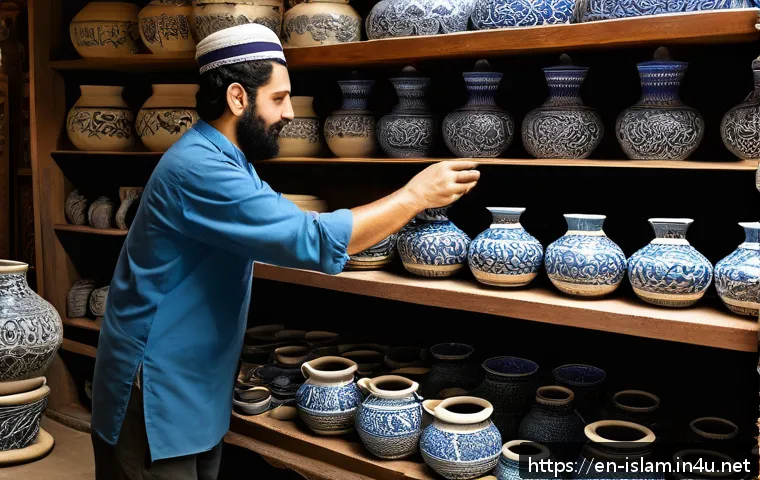
The Ottoman Empire, spanning over six centuries, played a pivotal role in shaping Islamic culture, blending tradition with innovation in art, architecture, and governance.
As current events highlight the importance of cultural heritage and interfaith dialogue, revisiting the Ottoman legacy helps us appreciate the enduring influences that continue to resonate across continents.
Join me as we explore how this remarkable empire not only defined an era but also left a lasting imprint on modern Islamic civilization. This journey promises to deepen your appreciation for a rich history that still shapes our world today.
The Fusion of Tradition and Innovation in Artistic Expression
Architectural Marvels as Cultural Statements
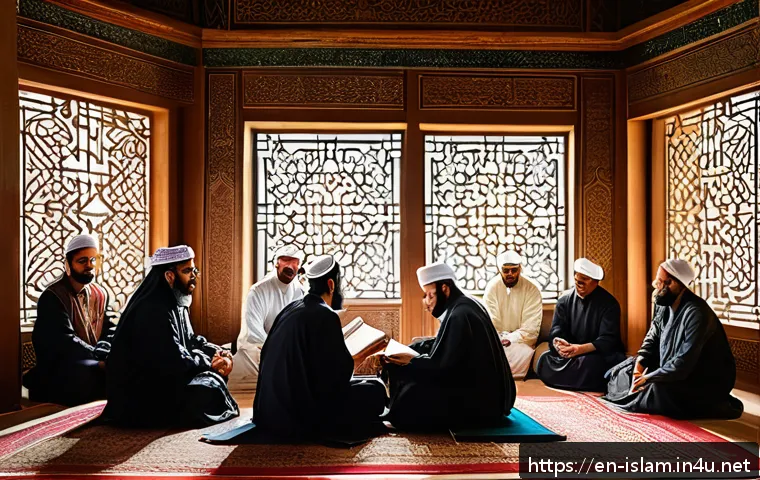
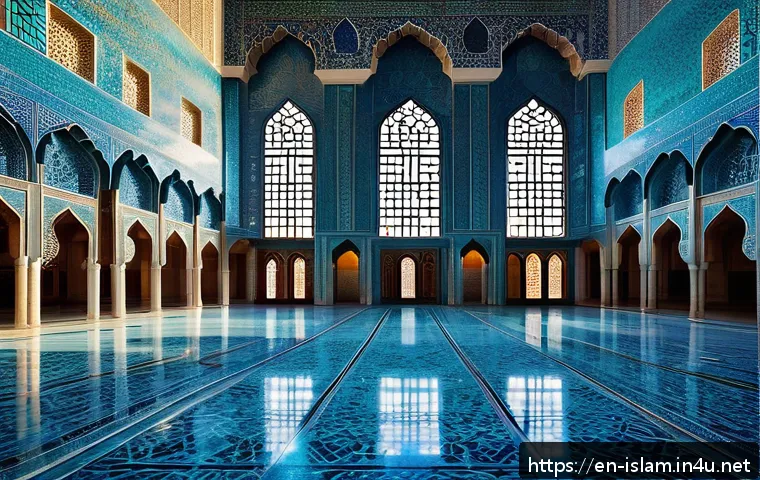
The architectural feats that emerged under the empire’s reign stand as testaments to a unique blend of cultural heritage and forward-thinking design. Mosques, palaces, and public buildings were not merely structures but vibrant symbols of a civilization that respected its roots while embracing new artistic currents.
Intricate tile work, expansive domes, and towering minarets showcased a mastery of both engineering and aesthetic sensibility. Walking through these spaces today, one can feel the layers of history and spirituality intertwined, reflecting a society that valued harmony between form and function.
This architectural language not only defined the empire’s identity but also influenced neighboring regions, setting a standard for centuries to come.
Calligraphy and Decorative Arts: A Dialogue Between Word and Image
Calligraphy, often regarded as the highest art form within Islamic culture, flourished during this period. The elegant scripts were more than decorative elements; they served as carriers of divine messages and cultural values.
Artists experimented with various styles, blending traditional Arabic calligraphy with regional motifs and contemporary inspirations. This fusion created a rich visual dialogue that adorned everything from manuscripts to ceramics and textiles.
For those who experienced these works firsthand, the interplay of words and ornamentation evoked a deep sense of reverence and intellectual curiosity, reinforcing the power of language as both art and spiritual practice.
Music and Performing Arts: Preserving Heritage While Embracing Change
Musical traditions under the empire thrived through a delicate balance of preserving classical forms and welcoming new influences brought by diverse peoples within its territories.
Instruments such as the oud and ney gained prominence, while court musicians composed pieces that reflected a blend of local and foreign styles. Performances often accompanied religious ceremonies, social gatherings, and theatrical productions, enriching the cultural tapestry.
Experiencing this musical heritage today offers insight into how art serves as a living bridge between past and present, demonstrating resilience and adaptability.
Governance Structures That Shaped Multicultural Societies
Administrative Systems Rooted in Flexibility
One of the empire’s remarkable strengths lay in its ability to govern a vast and diverse population through systems that emphasized adaptability rather than rigid uniformity.
Local leaders were often granted autonomy, allowing various ethnic and religious communities to maintain their customs and legal practices. This decentralized approach fostered a sense of inclusion and stability, reducing conflict and promoting cooperation.
From my reading of historical records and accounts, this governance model was ahead of its time, illustrating how respect for diversity can coexist with centralized authority.
Legal Frameworks Balancing Sharia and Local Customs
The legal system skillfully integrated Islamic law with the traditions of conquered peoples, creating a hybrid framework that addressed complex social realities.
Courts handled religious, civil, and criminal matters, often tailoring rulings to the context of different communities. This pragmatic approach ensured fairness and order while preserving cultural identity.
For observers today, it provides an instructive example of legal pluralism functioning effectively within a single political entity.
Diplomacy and Interfaith Relations as Tools for Stability
Diplomatic efforts extended beyond mere political alliances; they involved fostering mutual respect and dialogue among various faiths and cultures within the empire’s borders.
Treaties and agreements often included provisions for religious freedom and protection of minority rights, reflecting a sophisticated understanding of coexistence.
This approach helped mitigate tensions and facilitated economic and cultural exchange, reinforcing the empire’s longevity. Reflecting on this, it becomes clear how diplomacy can be a powerful instrument for building peaceful, multicultural societies.
Economic Networks and Cultural Exchange
Trade Routes Connecting Continents
The empire sat at the crossroads of major land and sea routes, acting as a vital hub for commerce between Europe, Asia, and Africa. Merchants transported goods such as spices, textiles, and precious metals, fostering economic prosperity and cultural diffusion.
Markets bustled with activity, where diverse peoples mingled, exchanged stories, and shared traditions. Experiencing the remnants of these vibrant trade centers today reveals how interconnected economies and cultures have long been drivers of innovation and understanding.
Craftsmanship and Industry: Sustaining Local Economies
Artisans and craftspeople played a central role in sustaining the empire’s economy by producing high-quality goods that were sought after across continents.
Workshops specialized in ceramics, metalwork, textiles, and glass, blending traditional techniques with new influences. The apprenticeship system ensured skills were passed down and evolved over generations.
This thriving artisan culture not only supported livelihoods but also contributed to a shared cultural identity that transcended regional differences.
Currency and Financial Institutions
Financial innovations, including the use of standardized currency and credit systems, facilitated trade and investment across vast distances. The establishment of banking practices and market regulations helped stabilize the economy and encouraged entrepreneurship.
These developments highlight the empire’s role in laying foundations for modern economic systems, demonstrating a sophisticated understanding of commerce and finance long before globalization became a buzzword.
Education and Intellectual Flourishing
Centers of Learning and Scholarship
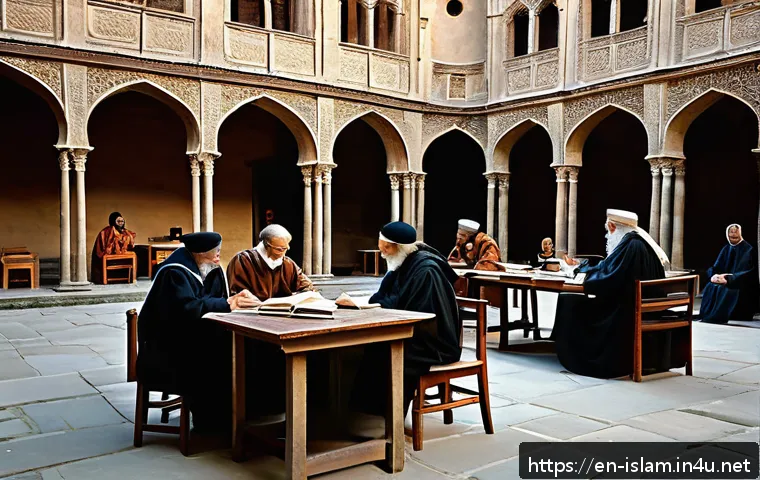
Universities and madrasas flourished as centers for education, attracting scholars from diverse backgrounds. Subjects ranged from theology and law to medicine, astronomy, and philosophy.
These institutions nurtured intellectual curiosity and innovation, producing works that influenced both Islamic and Western thought. Visiting these historic centers today, one senses the vibrant exchange of ideas that transcended cultural and religious boundaries, underscoring the empire’s commitment to knowledge.
Philosophical and Scientific Contributions
Scholars made significant advances in fields such as mathematics, medicine, and astronomy, building on earlier traditions while introducing original concepts.
Their works were often translated and disseminated widely, impacting global intellectual history. This legacy illustrates how the empire fostered an environment where inquiry and critical thinking were valued, contributing to a rich tapestry of human understanding.
Literature and Poetry as Cultural Pillars
Literary arts thrived through poetry, prose, and storytelling that reflected the complexities of life, faith, and society. Poets enjoyed high status, using their craft to explore themes of love, spirituality, and social justice.
These works continue to resonate, offering timeless insights into the human condition and serving as cultural touchstones for contemporary audiences.
Religious Practices and Social Integration
Pluralism Within Religious Communities
The empire’s approach to religious diversity was marked by pragmatic tolerance and institutional recognition of different faith groups. Religious communities were allowed to govern their own affairs under the millet system, preserving identity while contributing to social cohesion.
This framework helped mitigate sectarian conflict and fostered a shared sense of belonging. Experiencing the legacy of this pluralism today offers valuable lessons in coexistence and respect.
Rituals and Daily Life
Religious observances permeated daily routines, influencing everything from dietary laws to festivals. These practices created rhythms of life that reinforced community bonds and individual spirituality.
Exploring these traditions reveals how religion shaped not only beliefs but also social interactions and cultural norms, reflecting a holistic worldview.
Interfaith Dialogue and Cooperation
Instances of collaboration and dialogue between different religious groups were common, ranging from joint community projects to intellectual exchanges.
These interactions fostered mutual understanding and respect, contributing to the empire’s stability and cultural richness. Such historical precedents highlight the potential for faith communities to work together in pursuit of common goals.
Legacy and Influence on Contemporary Societies
Cultural Heritage and Preservation Efforts
The architectural, artistic, and literary treasures of the empire continue to inspire preservation initiatives worldwide. Museums, restoration projects, and cultural festivals celebrate this heritage, connecting past and present.
Engaging with these efforts deepens appreciation for the empire’s contributions and encourages responsible stewardship of cultural assets.
Modern Political and Social Implications
The empire’s history informs contemporary discussions about identity, nationalism, and multiculturalism in regions once under its rule. Understanding its governance and social models provides context for ongoing debates about coexistence and cultural rights.
Reflecting on this history allows for more nuanced perspectives on current challenges.
Continuing Influence in Islamic Civilization
Elements of the empire’s legal, artistic, and intellectual traditions persist in modern Islamic societies, shaping cultural practices and self-perception.
Recognizing these enduring influences fosters a greater sense of connection to a shared past and highlights the dynamic nature of cultural evolution.
| Aspect | Key Features | Contemporary Relevance |
|---|---|---|
| Architecture | Integration of domes, minarets, tile work blending tradition and innovation | Inspires modern architectural designs and cultural tourism |
| Governance | Decentralized administration, legal pluralism, interfaith diplomacy | Models for multicultural governance and legal systems |
| Trade & Economy | Cross-continental trade routes, artisan industries, financial innovations | Foundations for globalization and economic cooperation |
| Education | Centers of learning, philosophical and scientific advancements | Legacy influencing modern academic institutions and intellectual thought |
| Religious Pluralism | Millet system, religious tolerance, interfaith dialogue | Frameworks for peaceful coexistence and social integration |
In Conclusion
The fusion of tradition and innovation within this empire’s artistic and social fabric reveals a civilization deeply rooted in its heritage while boldly embracing change. Its architectural wonders, cultural practices, and governance models continue to inspire and inform contemporary societies. Exploring this legacy offers valuable insights into how diversity, creativity, and adaptability can shape a thriving and harmonious community.
Useful Information to Know
1. The empire’s architectural achievements blend intricate traditional designs with innovative engineering, influencing modern cultural landmarks worldwide.
2. Legal pluralism and decentralized governance fostered social stability by respecting diverse customs and promoting cooperation among different communities.
3. Vibrant trade networks and artisan industries laid the groundwork for economic globalization and cultural exchange across continents.
4. Educational institutions served as hubs for intellectual growth, advancing fields like science, philosophy, and literature with lasting global impact.
5. The millet system and interfaith dialogue exemplify early models of religious tolerance and peaceful coexistence that remain relevant today.
Key Takeaways
Understanding this empire’s legacy reveals the power of blending heritage with innovation to build resilient societies. Its flexible governance and inclusive legal frameworks highlight the importance of respecting cultural diversity within unified states. The thriving economic and educational systems underscore how interconnectedness fuels progress. Finally, the commitment to religious pluralism demonstrates that dialogue and cooperation are essential for lasting social harmony and cultural richness.
Frequently Asked Questions (FAQ) 📖
Q: How did the Ottoman Empire influence modern Islamic culture?
A: The Ottoman Empire was a powerhouse of cultural fusion, blending Islamic traditions with innovations in art, architecture, and governance. Its legacy includes iconic structures like the Blue Mosque and advancements in calligraphy and tile work that still inspire contemporary Islamic art.
Moreover, the empire’s approach to governance, which balanced religious authority with statecraft, laid foundational ideas that continue to influence Islamic political thought today.
From personal experience, exploring Ottoman heritage sites reveals how deeply their cultural imprint endures, making it clear that their influence is very much alive in modern Islamic societies.
Q: Why is the Ottoman Empire important for understanding today’s global cultural dynamics?
A: The Ottoman Empire connected diverse peoples across Europe, Asia, and Africa, fostering a rich exchange of ideas and traditions. This multicultural interaction helped shape the religious and cultural landscape of vast regions.
In today’s world, where cultural identity and interfaith dialogue are crucial, revisiting the Ottoman legacy highlights how coexistence and cultural blending can thrive despite differences.
Personally, learning about the empire’s tolerance policies and administrative strategies has given me valuable perspective on how historical empires managed diversity—something highly relevant to our globalized society.
Q: What lessons can contemporary society learn from the Ottoman Empire’s approach to cultural heritage and governance?
A: One key lesson is the importance of balancing tradition with innovation. The Ottomans respected their Islamic roots while embracing new ideas, which allowed their culture to evolve without losing its essence.
Their governance model, which included legal pluralism and religious tolerance, offers insights into managing multicultural societies today. From my own observations, this blend of respect and adaptability is crucial for fostering harmony and progress in diverse communities.
Understanding the Ottoman experience encourages us to appreciate cultural heritage as a living, evolving force rather than a static relic.