In today’s fast-paced world, discussions about Islam and global terrorism often spark heated debates fueled by misconceptions and incomplete information.

As recent events continue to shape international security concerns, it’s more important than ever to separate fact from fiction. Having explored this topic deeply, I’ve uncovered insights that challenge common stereotypes and shed light on the real dynamics at play.
Whether you’re curious about the roots of extremist violence or seeking a clearer understanding of Islam’s diverse perspectives, this post aims to provide thoughtful clarity.
Join me as we navigate these complex issues together, breaking down myths to reveal a more nuanced truth.
Understanding the Roots of Radicalization
Socioeconomic Factors and Their Role
Many people often overlook how deeply socioeconomic conditions influence the paths individuals take toward extremism. Poverty, lack of education, and limited job opportunities create fertile ground for frustration and disenfranchisement.
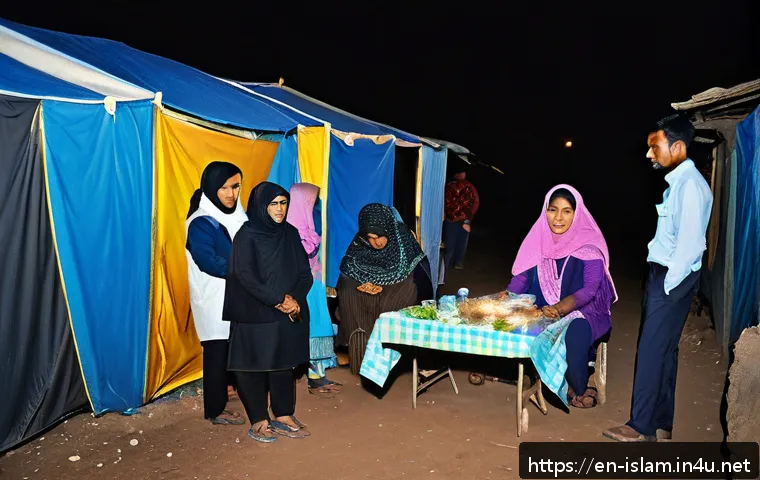
When people feel marginalized, they are more vulnerable to ideologies that promise purpose and empowerment. From my observations, communities suffering from systemic neglect are often targeted by extremist recruiters who exploit these vulnerabilities.
It’s not simply a matter of religious belief but a complex interplay of social and economic despair that pushes some toward radical choices. Recognizing this helps dismantle the simplistic narrative that terrorism is solely driven by religious motives.
The Psychological Appeal of Extremist Narratives
Extremist groups often craft stories that tap into feelings of injustice and identity crises. Many individuals caught in these narratives are searching for meaning, belonging, or a way to assert themselves in a world that feels hostile or indifferent.
What struck me during conversations with experts is how these groups manipulate personal grievances, magnifying them into collective causes. This psychological lure is powerful because it offers clarity and direction in chaotic circumstances, which is something many of us have experienced in different contexts.
Understanding this dynamic is crucial to addressing radicalization at its core.
The Impact of Political Instability and Conflict
Political turmoil and ongoing conflicts in various regions provide the backdrop against which extremist violence often erupts. When governments are weak, corrupt, or oppressive, they fail to protect their citizens or uphold justice, creating a vacuum that extremist groups exploit.
I’ve noticed that in areas where rule of law is absent, these groups step in, sometimes even providing basic services, which complicates the picture further.
This reality challenges the simplistic good-versus-evil storyline and demands a more nuanced approach that considers governance and security issues alongside ideological factors.
Dispelling Common Misconceptions About Islam
Diversity Within Islamic Beliefs and Practices
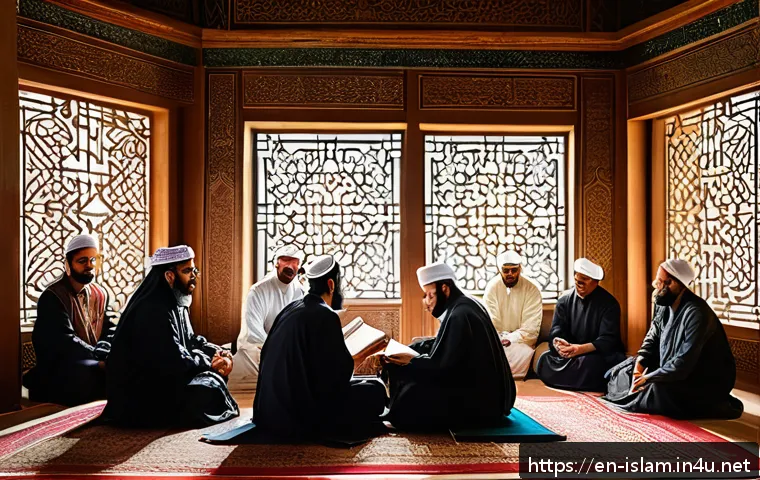
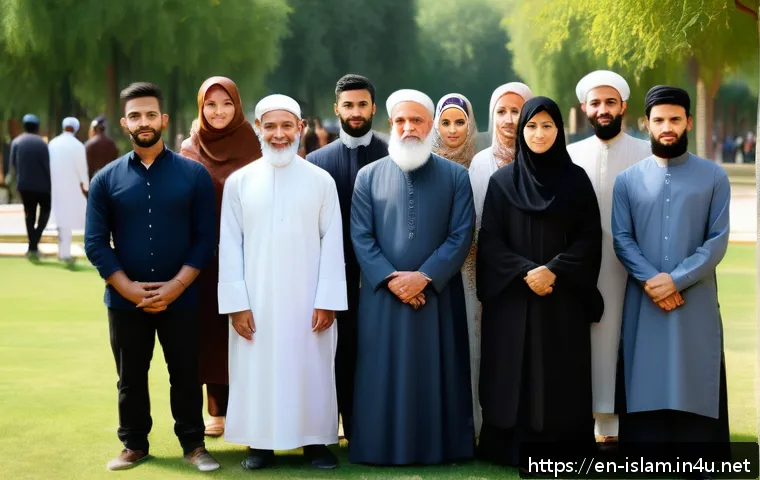
One of the biggest misunderstandings is treating Islam as a monolithic entity. In reality, it is a faith practiced by over a billion people worldwide, encompassing a vast range of traditions, cultures, and interpretations.
From Sunni to Shia, from Sufism to modern reform movements, the diversity is immense. Personally, I found it eye-opening to explore how different communities emphasize compassion, justice, and coexistence as core values.
This diversity means that painting all Muslims with a broad brush of suspicion is not only inaccurate but deeply unfair.
Distinguishing Religion from Political Extremism
It’s crucial to separate the religion itself from the political ideologies that some groups claim to represent. Islam, like any major world religion, teaches principles that promote peace, charity, and respect for human life.
The extremist factions that commit violence are often driven by political agendas, power struggles, or distorted interpretations rather than mainstream religious teachings.
Through extensive research and dialogue with Muslim scholars, I’ve come to appreciate how the majority reject violence and work tirelessly to counter extremist narratives within their own communities.
How Media Representation Shapes Perceptions
The media plays a significant role in shaping public opinion, and often, sensational headlines contribute to stereotypes about Islam and terrorism. I’ve seen firsthand how selective coverage can amplify fear and misunderstanding by focusing disproportionately on violent acts while ignoring positive stories or the efforts of Muslim communities to promote peace.
This imbalance creates a feedback loop where misconceptions grow stronger. Encouraging responsible journalism and diverse voices is essential to building a more accurate and empathetic understanding.
Global Strategies for Countering Violent Extremism
Community-Based Approaches and Their Effectiveness
One of the most promising methods I’ve encountered involves engaging local communities directly in prevention efforts. When people feel empowered to identify and address early signs of radicalization, they become frontline defenders against violence.
Programs that focus on education, dialogue, and economic opportunity tend to be more successful than purely military or punitive measures. This grassroots engagement also helps rebuild trust between authorities and citizens, which is vital for sustainable peace.
The Role of International Cooperation
Terrorism does not respect borders, so international collaboration is indispensable. Sharing intelligence, coordinating law enforcement efforts, and supporting development initiatives in vulnerable regions all contribute to reducing the threat.
However, it requires balancing security concerns with respect for human rights to avoid alienating populations. From what I’ve learned, successful cooperation hinges on transparency, mutual respect, and addressing the root causes rather than just the symptoms.
Innovations in Technology and Counter-Terrorism
Technology has become both a tool and a battleground in the fight against extremism. On one hand, extremists use social media and encrypted messaging to recruit and plan attacks.
On the other, governments and NGOs deploy advanced analytics, AI-driven monitoring, and online counter-narratives to disrupt these activities. I’ve been fascinated by how digital literacy and critical thinking initiatives can empower users to recognize and reject extremist content, turning technology into an asset rather than a liability.
The Complex Relationship Between Religion and Politics
Historical Context of Political Islam
Understanding political movements that intertwine religion with governance requires a deep dive into history. Various Islamic political movements have arisen in response to colonialism, authoritarian regimes, and social injustice.
These movements are not homogeneous; some advocate peaceful reform, while others adopt militant tactics. From my readings and discussions, it’s clear that political Islam is often a reaction to external pressures and internal challenges rather than an inherent call to violence.
Challenges of Secularism and Religious Identity
Balancing secular governance with the religious identities of populations is a delicate task faced by many countries. In some cases, excluding religion from politics can lead to alienation and backlash, while in others, religious dominance can suppress pluralism and rights.
Through case studies, I’ve noticed that inclusive political frameworks that respect religious diversity tend to foster stability and reduce extremist appeals.
The Role of Religious Leaders in Peacebuilding
Religious leaders often hold significant influence in their communities, positioning them as vital actors in peace and reconciliation efforts. When they promote messages of tolerance and dialogue, they can counteract extremist rhetoric effectively.
I’ve encountered inspiring examples where interfaith initiatives led by such leaders have bridged divides and reduced violence, proving that religion can be a powerful force for peace when harnessed responsibly.
Myths Versus Reality: Common Misunderstandings
Myth: Terrorism Is Inherently Linked to Islam
This misconception persists largely due to selective media coverage and political rhetoric. In truth, terrorism is a tactic used by individuals and groups across different religions, ideologies, and regions.
Violent extremism arises from a mix of political, social, and psychological factors rather than any one faith. I found it helpful to look at data showing that the majority of terrorist attacks globally are not related to Islamic extremism, which challenges widespread assumptions.
Myth: All Muslims Support Extremist Actions
The overwhelming majority of Muslims condemn terrorism and actively work against it within their communities. Painting all Muslims as supporters of violence ignores the reality of diverse opinions and the many who suffer from extremist acts themselves.
I’ve heard personal stories from Muslims around the world who are deeply committed to peace and coexistence, highlighting the harm caused by such sweeping generalizations.
Myth: Counter-Terrorism Requires Heavy-Handed Security Measures
While security operations are sometimes necessary, relying exclusively on force often backfires by breeding resentment and further radicalization. Sustainable solutions tend to combine security with social programs, education, and community engagement.
My experience learning about successful counter-terrorism programs shows that understanding local contexts and addressing grievances is key to long-term success.
Key Factors Influencing Extremist Violence Worldwide
| Factor | Description | Impact |
|---|---|---|
| Political Instability | Weak governance, corruption, ongoing conflicts | Creates power vacuums exploited by extremist groups |
| Socioeconomic Deprivation | Poverty, unemployment, lack of education | Increases vulnerability to radicalization |
| Identity Crisis | Feelings of alienation and lack of belonging | Drives individuals toward extremist narratives promising purpose |
| Media Influence | Selective reporting, sensationalism | Amplifies stereotypes and misunderstandings |
| Religious Misinterpretation | Distorted teachings used to justify violence | Separates extremist ideology from mainstream faith |
| International Cooperation | Joint security efforts and intelligence sharing | Crucial for disrupting transnational terrorism |
Building Bridges: Promoting Understanding and Dialogue
Educational Initiatives Focused on Critical Thinking
Education plays a pivotal role in equipping individuals to question extremist narratives and develop empathy for others. Programs that encourage critical thinking, cultural awareness, and media literacy have proven effective in preventing radicalization.
In my experience, when people learn to analyze information carefully and appreciate diverse perspectives, they become less susceptible to simplistic or hateful messages.
Interfaith and Cross-Cultural Dialogues
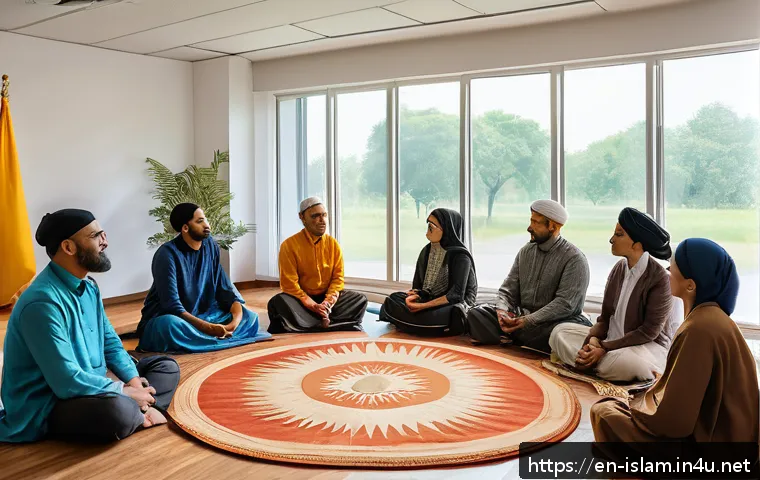
Creating spaces where people from different backgrounds can share experiences and beliefs helps break down barriers and dispel fears. I’ve witnessed how genuine dialogue fosters mutual respect and opens pathways for collaboration on common goals like peace and social justice.
These interactions humanize “the other,” which is often missing in polarized public discourse.
The Power of Personal Stories and Testimonies
Hearing firsthand accounts from survivors of extremism, former radicals, and community leaders adds a deeply human dimension to the conversation. These stories reveal the complexities behind radicalization and recovery, challenging stereotypes and offering hope.
Sharing such narratives creates emotional connections that data or abstract discussions alone cannot achieve, making the fight against extremism a shared human endeavor.
Conclusion
Understanding the roots of radicalization requires a multifaceted approach that goes beyond stereotypes and simplistic explanations. By recognizing the social, economic, and political factors involved, we can foster empathy and develop more effective prevention strategies. Promoting dialogue and education is key to building resilient communities that reject violence and embrace peaceful coexistence.
Useful Information to Keep in Mind
1. Radicalization is often driven by a combination of socioeconomic hardship and psychological needs rather than just ideology.
2. Islam is a diverse faith with many interpretations, and it is important to distinguish religion from political extremism.
3. Community engagement and education are more effective in countering extremism than relying solely on security measures.
4. Media representation heavily influences public perception and should strive for balanced and responsible reporting.
5. International cooperation and technological innovation play crucial roles in addressing the global nature of violent extremism.
Key Takeaways
Radicalization is a complex phenomenon shaped by various social, economic, and political factors rather than a single cause. Effective counter-extremism efforts require a holistic approach that includes community involvement, education, and respectful dialogue. Recognizing the diversity within religious communities and promoting accurate media narratives can help reduce misunderstandings and foster peace. Ultimately, sustainable solutions must balance security with human rights, addressing root causes to prevent violence in the long term.
Frequently Asked Questions (FAQ) 📖
Q: uestionsQ1: Is Islam inherently linked to terrorism?
A: No, Islam as a religion is not inherently linked to terrorism. The vast majority of Muslims worldwide live peaceful lives and reject violence. Terrorism is a tactic used by extremist groups who often misinterpret or distort Islamic teachings to justify their actions.
It’s crucial to distinguish between the faith practiced by over a billion people and the violent acts committed by a small minority.
Q: What are the root causes of extremist violence associated with some groups claiming Islamic motives?
A: Extremist violence often stems from a complex mix of political, social, and economic factors such as oppression, poverty, lack of education, and political instability.
Many terrorists exploit these grievances to recruit followers. Religion is sometimes used as a cover, but the underlying causes are usually more about power struggles and injustice than genuine religious doctrine.
Q: How can one better understand the diversity within Islam to avoid stereotypes?
A: Islam is a diverse religion with multiple sects, cultures, and interpretations. Learning about different Muslim communities, their traditions, and beliefs helps break down simplistic stereotypes.
Engaging with authentic voices from the Muslim world, reading credible sources, and fostering open dialogue can provide a more nuanced and accurate perspective on Islam beyond the headlines.