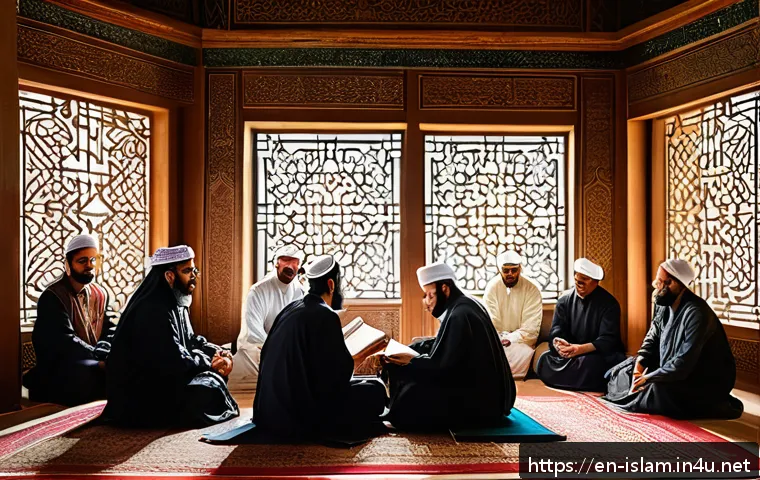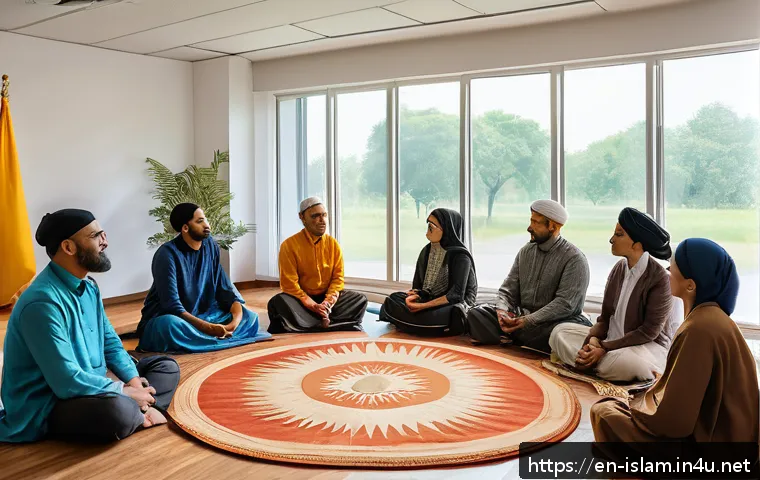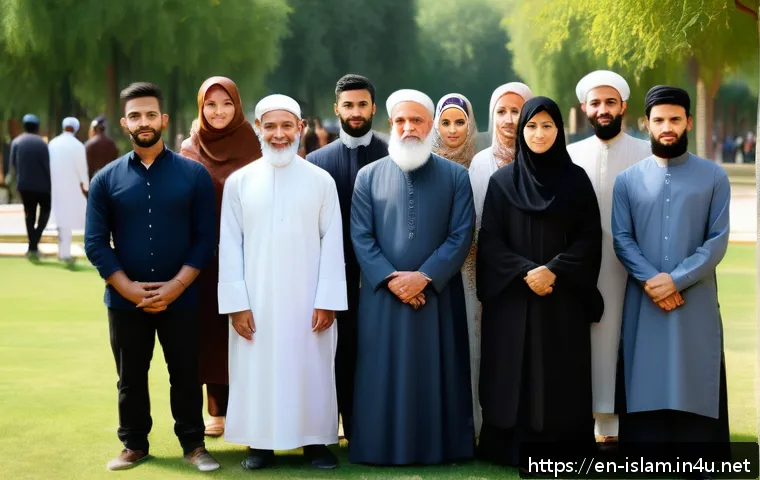
In a world where human rights conversations are evolving rapidly, the Islamic Declaration on Human Rights offers a unique perspective rooted in faith and justice.
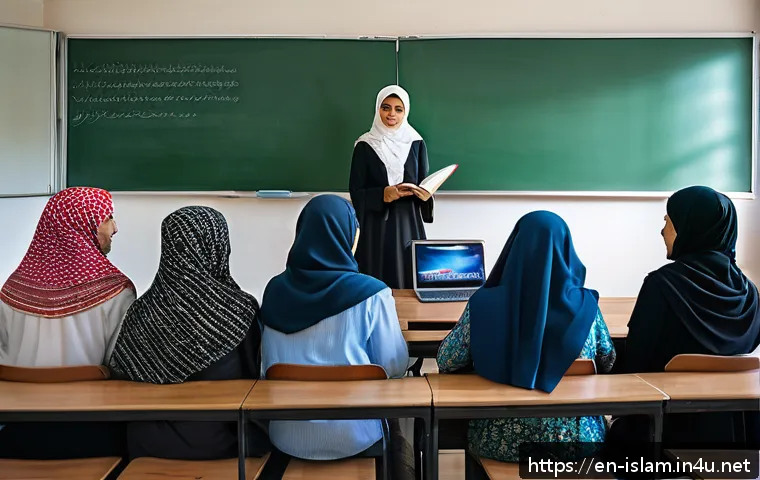
As global challenges demand inclusive approaches, understanding this declaration sheds light on how Islamic principles contribute to universal human dignity.
Recently, debates around cultural diversity and legal frameworks have brought this topic to the forefront, making it more relevant than ever. Join me as we explore how this declaration influences global justice and what it means for a more equitable future.
Whether you’re curious about international law or cultural insights, this discussion promises to deepen your understanding. Let’s dive in together and uncover the impact of these powerful ideas.
Foundations of Human Dignity in Islamic Ethics
Intrinsic Value of Every Individual
The concept of human dignity in Islamic thought is deeply rooted in the belief that every person is created by God with inherent worth. This idea goes beyond mere legal recognition; it affirms that human life is sacred and deserving of respect regardless of social status, ethnicity, or religion.
From my own exploration, this perspective provides a moral compass that encourages empathy and justice in ways that often surpass secular frameworks. It reminds us that dignity is not granted by the state or society but is an unalienable right bestowed by the Creator, which governments and communities must honor and protect at all times.
Justice as a Pillar of Human Rights
Justice, or ‘Adl’ in Islamic terminology, plays a central role in ensuring that human rights are not merely theoretical but practically upheld. It demands fairness in the treatment of individuals and groups, emphasizing accountability and equity.
Through this lens, rights are balanced with responsibilities, creating a holistic approach to social harmony. Reflecting on current global issues, the insistence on justice within Islamic ethics challenges us to rethink how laws and policies address inequality and discrimination, pushing for systems that are both compassionate and just.
Balancing Individual and Community Rights
One of the complexities in human rights discourse is the relationship between individual freedoms and community welfare. Islamic principles offer nuanced guidance by encouraging the protection of individual rights while simultaneously promoting collective well-being.
This balance is crucial in multicultural societies where tensions between personal liberties and social cohesion often arise. From what I’ve observed, this dual focus fosters a more integrated approach to human rights, where respect for diversity and solidarity are not seen as opposing forces but complementary values.
Legal Frameworks Inspired by Islamic Values
Role of Sharia in Human Rights Protection
Sharia law, frequently misunderstood in popular discourse, encompasses a broad set of ethical and legal guidelines derived from the Quran and Hadith. When applied with a spirit of justice and mercy, it provides a robust framework for safeguarding human rights, including freedom of belief, protection from harm, and economic justice.
My experience researching this has shown that many Islamic countries interpret and implement Sharia in ways that align with international human rights norms, though variations exist depending on local contexts and judicial interpretations.
Challenges and Opportunities in Integration with International Law
The intersection between Islamic human rights declarations and international conventions often sparks debate. Some critics argue that cultural and religious particularities conflict with universal human rights standards.
However, proponents highlight that Islamic declarations enrich global discourse by introducing values like spiritual dignity and moral accountability.
Understanding these overlaps and tensions is vital for international cooperation and mutual respect. From a practical standpoint, this dialogue opens pathways for legal pluralism, where diverse systems contribute to a more inclusive global justice architecture.
Case Studies of Implementation Across Countries
Different Muslim-majority nations showcase diverse applications of Islamic human rights principles. For instance, countries like Malaysia and Tunisia have integrated Islamic ethics with secular laws to varying degrees, emphasizing education and gender equality.
Meanwhile, others face criticism for practices that appear to contradict universal rights, highlighting the need for ongoing reform and dialogue. Observing these cases reveals that the declaration’s impact depends largely on political will, societal engagement, and interpretive flexibility.
Empowering Marginalized Groups Through Faith-Based Principles
Women’s Rights and Social Equity
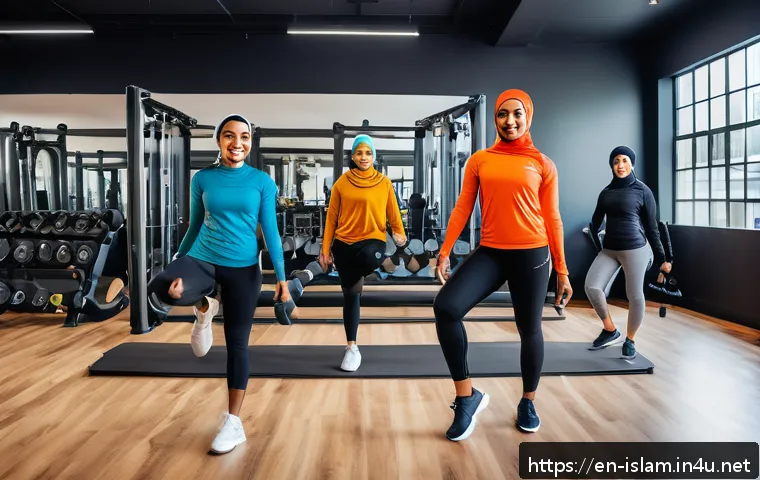
Islamic teachings, when interpreted through a progressive lens, advocate for the dignity and rights of women, including access to education, property ownership, and participation in public life.
Personally, witnessing grassroots movements in Muslim communities advocating for women’s empowerment underscores how faith can inspire social change rather than hinder it.
These efforts demonstrate the potential for religious frameworks to challenge patriarchal norms and contribute to gender justice in meaningful ways.
Protection of Minorities and Freedom of Belief
The declaration emphasizes respect for religious and ethnic minorities, promoting peaceful coexistence and mutual understanding. In pluralistic societies, this principle is crucial for preventing discrimination and violence.
From my interactions with diverse communities, the emphasis on tolerance rooted in Islamic ethics encourages dialogue and reconciliation, offering valuable lessons for conflict resolution globally.
Economic Rights and Social Justice
Economic justice is another critical dimension where Islamic human rights principles shine. Concepts like zakat (charitable giving) and prohibition of exploitation aim to reduce poverty and ensure fair distribution of wealth.
Experiencing how these ideas translate into social policies reveals a comprehensive approach to human welfare that integrates spiritual values with material needs, fostering communities where dignity is preserved through equitable opportunities.
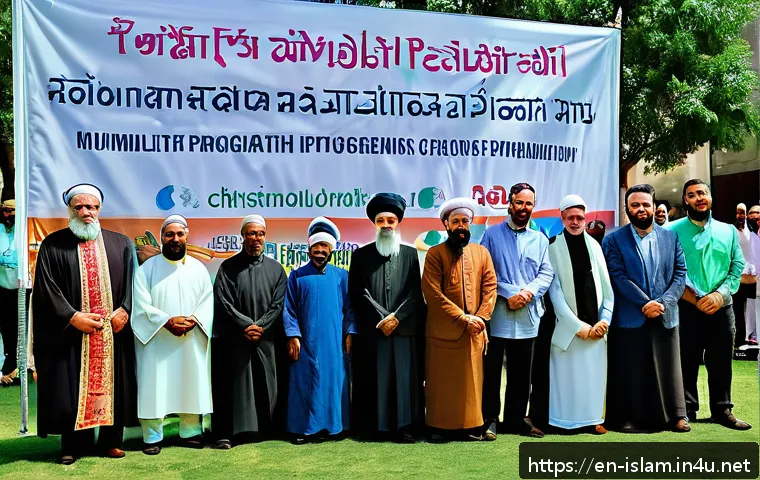
Contemporary Relevance and Global Impact
Responding to Modern Human Rights Challenges
In today’s fast-changing world, the Islamic approach to human rights offers flexible tools to address new issues such as digital privacy, migration, and climate justice.
The emphasis on stewardship and ethical responsibility resonates strongly with global efforts to promote sustainable development. From my perspective, this adaptability makes the declaration highly relevant, providing a moral foundation that complements modern legal mechanisms.
Promoting Dialogue Between Cultures and Traditions
The declaration serves as a bridge between Islamic values and other cultural traditions, fostering mutual respect and cooperation. This role is especially important in an era marked by cultural polarization and identity politics.
Engaging with these ideas has shown me that acknowledging different narratives enriches our collective understanding of justice and human dignity, paving the way for more inclusive policies.
Influencing International Human Rights Discourse
Islamic human rights principles are increasingly recognized in international forums, contributing to debates on rights universality and cultural relativism.
Their inclusion challenges dominant paradigms and encourages more pluralistic interpretations of human rights. Observing this influence reveals a gradual but significant shift towards embracing diversity within the global justice system, which benefits all humanity.
Comparative Overview of Key Human Rights Principles
| Principle | Islamic Declaration Perspective | Universal Human Rights Approach |
|---|---|---|
| Dignity | Inherent divine origin; unconditional respect for all humans | Intrinsic worth based on shared humanity and legal guarantees |
| Justice | Central ethical duty balancing rights and responsibilities | Fair treatment and equality before the law |
| Freedom of Belief | Guaranteed with respect for societal harmony | Absolute freedom of religion and conscience |
| Women’s Rights | Rights affirmed within ethical and social frameworks | Equal rights regardless of gender |
| Economic Rights | Emphasis on wealth redistribution and social welfare | Right to an adequate standard of living |
Pathways for Future Collaboration and Understanding
Building Cross-Cultural Partnerships
Efforts to integrate Islamic human rights principles with global frameworks open new avenues for cooperation among states, NGOs, and faith communities.
Drawing from my observations, these partnerships enhance mutual learning and address complex issues like human trafficking and refugee protection more effectively by combining ethical insights with practical strategies.
Educational Initiatives and Awareness Raising
Promoting deeper understanding of Islamic human rights teachings through education can combat stereotypes and misinformation. Personal encounters with educational programs show that when people grasp the spiritual and ethical dimensions behind the declaration, they develop greater respect and openness toward diverse cultures.
Encouraging Reform and Progressive Interpretation
The dynamic nature of Islamic jurisprudence allows for reinterpretation in light of contemporary realities. Supporting scholars and activists who advocate for human rights within Islamic contexts is crucial for meaningful reform.
From my perspective, this ongoing dialogue is essential to reconcile tradition with modern human rights aspirations, ensuring that faith remains a source of empowerment rather than division.
Conclusion
The exploration of human dignity through the lens of Islamic ethics reveals a profound commitment to justice, respect, and balance between individual and communal rights. This perspective not only enriches global human rights discourse but also offers practical pathways for fostering equity and harmony. Embracing these values can inspire more inclusive and compassionate societies worldwide.
Useful Information to Know
1. Human dignity in Islam is seen as an inherent divine gift, not contingent on societal approval.
2. Justice is a fundamental principle that ensures rights come with responsibilities, promoting fairness.
3. Islamic ethics emphasize the importance of balancing individual freedoms with community welfare.
4. Sharia law, when interpreted with justice and mercy, aligns with many international human rights standards.
5. Progressive interpretations of Islamic teachings support women’s rights, minority protections, and social justice.
Key Takeaways
Understanding Islamic perspectives on human dignity highlights the inseparability of ethics and law, where spiritual values guide social justice. The emphasis on justice and mercy provides a framework for protecting rights while fostering social cohesion. Recognizing the dynamic nature of Islamic jurisprudence encourages ongoing dialogue and reform, ensuring these principles remain relevant in addressing modern challenges.
Frequently Asked Questions (FAQ) 📖
Q: What is the Islamic Declaration on Human Rights, and how does it differ from other human rights documents?
A: The Islamic Declaration on Human Rights is a document that outlines human rights from an Islamic perspective, emphasizing the principles of justice, dignity, and moral responsibility rooted in Islamic teachings.
Unlike secular human rights declarations, it integrates faith-based values, highlighting the balance between individual freedoms and social duties as guided by Islamic law.
This approach provides a unique framework that respects cultural and religious diversity while contributing to universal human dignity.
Q: How does the Islamic Declaration on Human Rights address cultural diversity and global justice?
A: The declaration recognizes the importance of respecting cultural and religious differences, advocating for human rights within the context of Islamic ethics.
It promotes justice that is inclusive and equitable, encouraging dialogue between different cultures and legal systems. By doing so, it supports a pluralistic approach to global justice, where diverse communities can find common ground based on shared values of fairness and respect.
Q: Why is understanding the Islamic Declaration on Human Rights important in today’s international human rights discussions?
A: In a world facing complex challenges such as cultural clashes, legal pluralism, and global inequality, understanding this declaration offers valuable insights into how faith-based perspectives can enrich human rights discourse.
It encourages more inclusive conversations that go beyond Western-centric views, fostering mutual respect and cooperation. For anyone interested in international law or cultural studies, this understanding helps build bridges toward a more just and equitable global society.