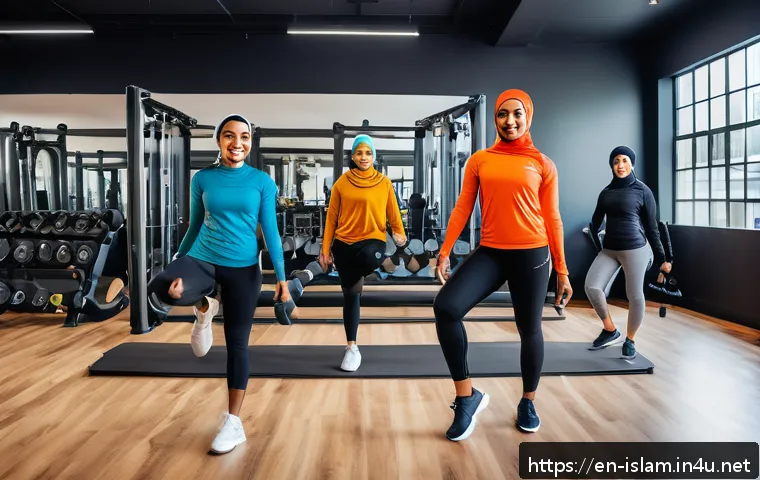
In today’s world, the conversation around fitness and empowerment is evolving rapidly, and Muslim women are at the forefront of this inspiring change.
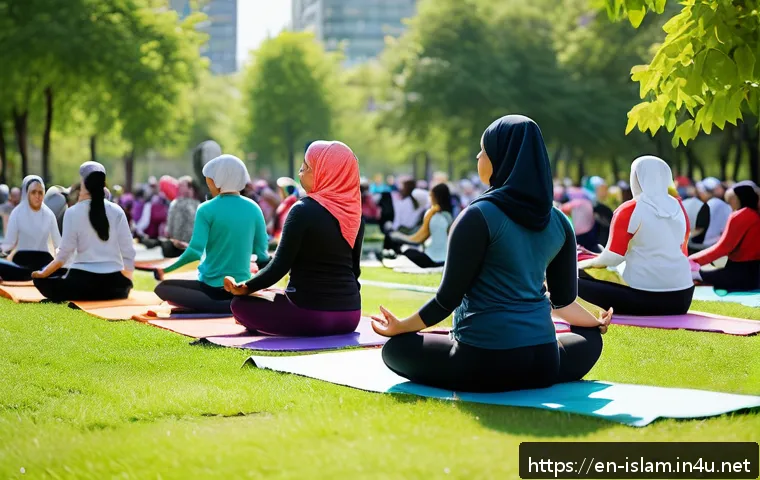
Across continents, they are breaking stereotypes and redefining what strength means on their own terms. From innovative sportswear to community-driven fitness movements, their stories resonate with resilience and determination.
If you’ve ever wondered how culture and fitness intersect to create powerful narratives, this topic will captivate you. Let’s dive into how these trailblazing women are not just transforming their own lives but influencing a global shift in empowerment and wellness.
Redefining Strength Through Cultural Identity
Blending Tradition with Modern Fitness
Many women find empowerment in embracing both their cultural heritage and contemporary fitness routines. This fusion often means adapting workout styles to honor modesty while still pushing physical limits.
For example, some have pioneered exercise classes that incorporate traditional attire, such as hijabs designed for breathability and comfort during intense activity.
Personally, I noticed how this approach not only supports physical well-being but also nurtures a sense of pride and belonging. It’s inspiring to see how these women redefine what strength means—not just in muscle or stamina but in embracing identity without compromise.
Breaking Barriers in Sports Participation
Historically, certain sports environments felt inaccessible due to cultural or religious restrictions. However, the rise of all-women gyms and female-only sports leagues has changed the game.
These spaces create safe zones where women feel free to explore their athletic potential without fear of judgment. From my conversations with fitness instructors, many highlight how this inclusivity boosts confidence and encourages consistency in training.
It’s more than just exercise; it’s a community-building movement that challenges outdated norms and opens doors for future generations.
Fashion Innovation as a Form of Empowerment
The development of modest activewear has been a game-changer. Brands specializing in performance hijabs, long-sleeved moisture-wicking tops, and stretchable leggings have transformed workout experiences.
I’ve tested several of these products, and the difference in comfort and style is remarkable. This innovation sends a powerful message: you don’t have to sacrifice your values to stay active and fashionable.
Moreover, it reflects a broader shift in the industry towards inclusivity and diversity, which benefits all consumers by expanding choices and promoting acceptance.
Community as a Catalyst for Change
Fitness Groups Creating Support Networks
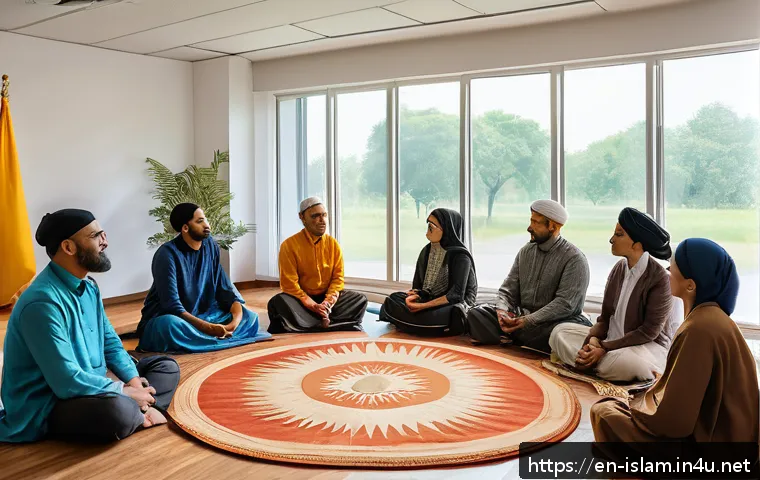
Fitness is rarely a solo journey, and for many women, finding a community that understands their unique challenges makes all the difference. Local and online groups focused on shared cultural experiences foster motivation and accountability.
I’ve witnessed firsthand how such networks help women push past self-doubt and celebrate milestones together. These communities often extend beyond workouts, offering emotional support and friendship, which is crucial for sustaining long-term lifestyle changes.
Role Models and Mentorship
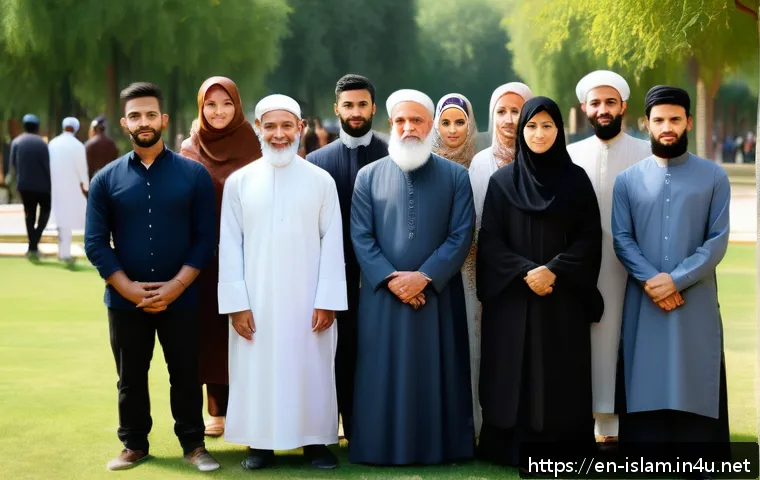
Visibility matters. When women see role models who share their background excelling in fitness, it ignites a sense of possibility. Many trailblazers actively mentor newcomers, offering guidance on everything from workout plans to balancing cultural expectations.
From my research, these relationships often spark a ripple effect, encouraging more women to embark on their fitness journeys. The presence of relatable mentors transforms abstract goals into achievable realities.
Events That Empower and Inspire
From marathons to fitness expos, events tailored to culturally diverse groups have become platforms for empowerment. These gatherings often feature workshops, motivational talks, and showcases of innovative sportswear.
Attending such events, I felt the palpable energy of shared purpose and determination. They serve as a reminder that fitness is not only physical but deeply connected to identity and community pride.
Overcoming Challenges in Access and Perception
Addressing Accessibility Barriers
Access to facilities that respect cultural norms remains a challenge in many areas. Limited availability of women-only hours or spaces can discourage participation.
However, some cities are responding by increasing such options, recognizing the demand and benefits. From my experience, even small changes like designated pool times or private studio sessions can have a big impact on comfort and willingness to engage regularly.
Changing Public Perceptions
Misconceptions about Muslim women and fitness persist, often rooted in stereotypes rather than reality. Through social media and public campaigns, many women are actively reshaping these narratives.
I’ve observed how sharing authentic stories and achievements challenges biases and educates broader audiences. This shift not only empowers participants but also fosters greater cultural understanding.
Balancing Expectations and Personal Goals
Navigating family and societal expectations while pursuing fitness goals can be complex. Many women juggle multiple roles and responsibilities, making time and energy scarce.
Through trial and error, I’ve learned that setting realistic goals and communicating openly with loved ones is key. This balance helps maintain motivation without feeling torn between obligations and personal aspirations.
Innovative Approaches to Wellness
Integrating Mindfulness and Physical Health
Wellness extends beyond physical exercise, and many women incorporate spiritual and mental health practices into their routines. Yoga, meditation, and breathing exercises are often adapted to align with cultural values, creating holistic approaches to well-being.
From personal observation, combining these elements enhances resilience and reduces stress, making fitness a more sustainable lifestyle choice.
Technology Empowering Personal Progress
Apps and online platforms tailored for modest fitness have emerged, offering customized workouts and community support. I’ve tried several, and the convenience of tracking progress in a culturally sensitive environment is empowering.
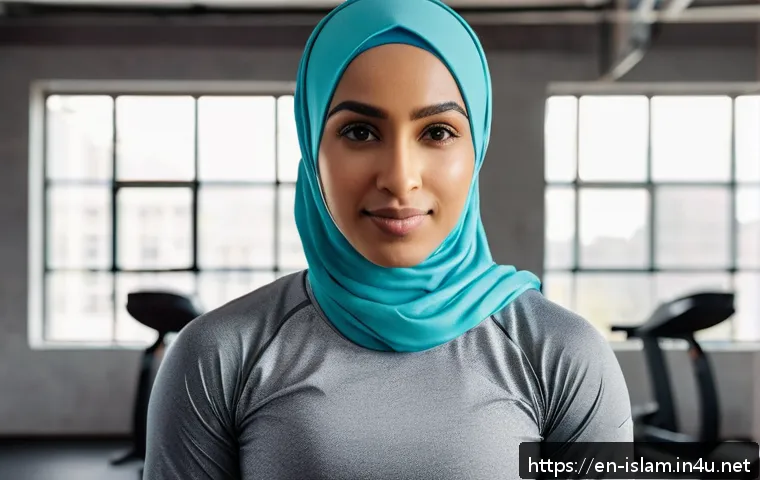
Technology also bridges geographic gaps, connecting women worldwide who share similar journeys.
Nutrition and Lifestyle Adjustments
Nutrition plays a vital role in fitness, and cultural dietary practices are thoughtfully integrated into wellness plans. I’ve noticed dietitians specializing in culturally appropriate guidance help women make informed choices without feeling restricted.
This approach respects heritage while promoting health, which is essential for long-term success.
Global Impact and Future Directions
Inspiring Cross-Cultural Collaborations
The momentum created by these fitness pioneers transcends borders, inspiring collaborations across cultures. Events and campaigns increasingly feature diverse voices, promoting inclusivity on a global scale.
Witnessing this, I feel hopeful about a future where fitness is truly universal, celebrating all identities.
Expanding Market Opportunities
The growing demand for modest activewear and inclusive fitness programs has attracted significant business interest. This market expansion benefits consumers by fostering innovation and driving down costs.
From my perspective, companies that authentically engage with communities rather than simply capitalizing on trends are the ones making lasting impacts.
Shaping Policy and Infrastructure
Advocacy efforts aimed at improving access to fitness facilities and resources have gained traction. Policymakers are beginning to recognize the importance of culturally sensitive infrastructure.
In my conversations with activists, there’s a shared belief that these changes will not only improve health outcomes but also strengthen social cohesion.
| Aspect | Challenges | Innovations | Impact |
|---|---|---|---|
| Activewear | Limited options for modest, functional gear | Performance hijabs, breathable fabrics, stylish designs | Increased comfort and confidence during workouts |
| Access to Facilities | Lack of women-only spaces, cultural sensitivity | Women-only gyms, designated hours, private sessions | Greater participation and sustained engagement |
| Community Support | Isolation, lack of relatable role models | Online groups, mentorship programs, events | Enhanced motivation and sense of belonging |
| Perception | Stereotypes and misconceptions | Social media campaigns, public education | Improved understanding and reduced stigma |
| Holistic Wellness | Neglect of mental and spiritual health | Mindfulness integration, culturally adapted yoga | Better stress management and overall health |
Personal Stories of Transformation
Finding Confidence Through Movement
Many women share how embracing fitness has transformed their self-image and daily outlook. One friend told me how starting a modest swim class gave her a newfound sense of freedom and joy.
This journey wasn’t just about physical change—it was about reclaiming control over her body and narrative.
Building Lifelong Friendships
Fitness communities often become extended families. I’ve seen how shared goals create bonds that go beyond workouts. These friendships provide emotional support during tough times and celebrate successes together, making the fitness journey richer and more fulfilling.
Inspiring the Next Generation
Role models actively engage with younger women, encouraging them to pursue health without fear. From mentoring programs to school visits, these efforts plant seeds of empowerment early on.
Hearing these stories, I’m reminded how important visibility and encouragement are in shaping future leaders.
In Conclusion
Embracing cultural identity within fitness empowers women to redefine strength on their own terms. This journey blends tradition with innovation, creating inclusive spaces and inspiring communities. The progress made so far is promising, showing that fitness is not just physical but deeply connected to self-expression and belonging. Moving forward, continued support and awareness will help break down barriers and celebrate diversity in wellness.
Helpful Information to Keep in Mind
1. Modest activewear options are expanding, combining performance with cultural values to enhance comfort and confidence during workouts.
2. Women-only fitness spaces and dedicated hours foster safe environments that encourage consistent participation.
3. Community support networks, including online groups and mentorship, play a crucial role in motivation and long-term success.
4. Public campaigns and social media help challenge stereotypes, promoting better understanding and acceptance.
5. Integrating mindfulness and culturally adapted wellness practices supports holistic health beyond physical fitness.
Key Takeaways
Recognizing the unique challenges faced by women balancing cultural identity and fitness is essential for creating effective solutions. Innovations in activewear, access to inclusive spaces, and strong community support have proven impactful. Addressing misconceptions through education promotes a positive shift in public perception. Finally, combining physical exercise with mental and spiritual wellness leads to sustainable, empowering lifestyle changes that honor both heritage and personal goals.
Frequently Asked Questions (FAQ) 📖
Q: uestionsQ1: How are Muslim women challenging stereotypes in the fitness world?
A: Muslim women are redefining fitness by embracing both their cultural identity and personal strength. Many are breaking away from outdated notions that suggest modesty limits physical activity.
By participating in various sports, launching modest activewear lines, and leading community fitness initiatives, they show that empowerment comes in diverse forms.
Their stories highlight resilience and determination, proving that fitness is accessible to everyone regardless of cultural background.
Q: What role does specialized sportswear play in empowering Muslim women?
A: Innovative sportswear designed with modesty and performance in mind has been a game changer. It allows Muslim women to engage in physical activities comfortably and confidently without compromising their beliefs.
Brands creating breathable, functional hijabs and modest workout clothes have opened new doors for participation in sports and fitness. Personally, I’ve seen how such gear boosts motivation and inclusivity, making exercise environments more welcoming.
Q: How do community-driven fitness movements impact Muslim women’s empowerment?
A: Community fitness groups provide a supportive space where Muslim women can connect, share experiences, and encourage each other. These movements foster a sense of belonging and collective strength, which is crucial for sustained motivation.
From local running clubs to online workout challenges, the social aspect helps break isolation and promotes wellness holistically. Many women report feeling more confident and inspired when surrounded by peers who understand their unique journey.