In recent years, discussions around Sharia law have surged across news outlets and social media, often clouded by misunderstandings and stereotypes. As global conversations evolve, it’s more important than ever to separate fact from fiction and explore what Sharia truly represents in today’s world.

Whether you’re curious about its legal principles or cultural significance, gaining a clear perspective can deepen your understanding of diverse societies.
Join me as we unpack the realities and myths surrounding Sharia law, shedding light on its role beyond common misconceptions. This journey promises insights that challenge assumptions and invite thoughtful dialogue.
The Foundations Behind the Legal and Ethical Framework
Understanding the Core Texts and Interpretations
Many people think of this system solely as a rigid legal code, but it’s actually deeply rooted in centuries-old texts, primarily the Quran and the Hadith.
These sources are interpreted by scholars, leading to diverse applications across different communities. What’s fascinating is how interpretation plays a crucial role; it’s not a static set of rules but a living, breathing guide that adapts through scholarly debate and contextual understanding.
For instance, a practice deemed acceptable in one region might be viewed differently elsewhere, reflecting how culture and local customs intertwine with these principles.
Balancing Spirituality and Daily Life
It’s easy to overlook that this framework isn’t just about legal rulings; it’s also about guiding the moral compass of millions. It offers a holistic approach to life, blending spiritual duties with social responsibilities.
The balance here is subtle but significant—encouraging personal growth, justice, and compassion alongside maintaining societal order. I’ve noticed that in many communities, this dual focus shapes everything from charity to conflict resolution, showing how ethics and law can coexist harmoniously.
Common Misconceptions Around Punishments and Justice
One of the biggest misunderstandings revolves around the idea of harsh punishments often sensationalized in media. While certain penal codes exist, they’re applied under very strict conditions, with an emphasis on fairness and the possibility of mercy.
In reality, many cases prioritize restorative justice and reconciliation over punitive measures. This nuance is often lost, leading to a skewed perception that overlooks the complex judicial processes involved.
How Diverse Communities Shape Its Practice
Regional Variations Across the Globe
This framework isn’t practiced uniformly; it takes on unique forms depending on geographic, cultural, and historical contexts. For example, Southeast Asian countries tend to incorporate local customs alongside religious laws, creating a hybrid legal culture.
In contrast, Middle Eastern countries might have a more formalized judicial system centered on these principles. This diversity highlights that what’s often labeled as a monolithic “law” is, in fact, a rich tapestry of varied traditions and implementations.
The Role of Local Custom and Culture
Customary practices, or ‘urf, play a significant role in how communities live out these principles. These customs can influence everything from marriage practices to business dealings, blending religious mandates with local expectations.
I’ve seen how this interplay can lead to creative solutions that respect tradition while addressing modern needs, which challenges the stereotype of inflexibility often associated with the system.
Community Leadership and Legal Authority
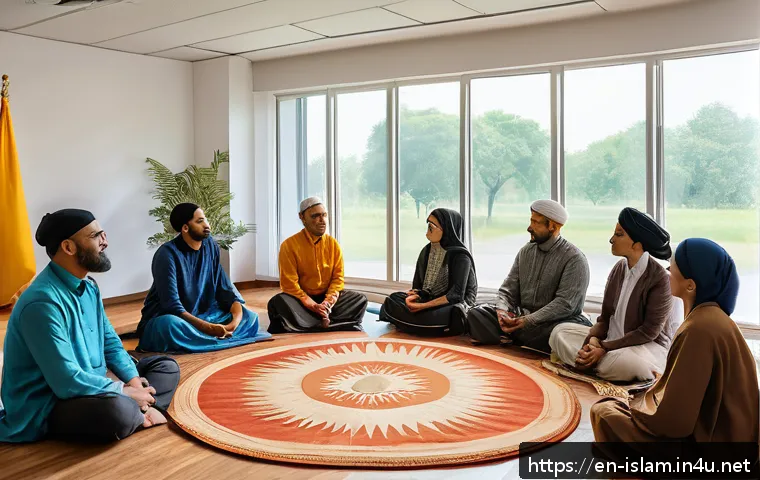
Local scholars, judges, and community leaders often mediate between the text and everyday life. Their authority comes not just from religious knowledge but from understanding the community’s needs and dynamics.
This leadership helps interpret and enforce rules in ways that make sense locally, sometimes even pushing for reform and adaptation. It’s a reminder that the system is deeply human and responsive, rather than purely doctrinal.
Financial Ethics and Social Welfare Principles
Guidelines on Economic Justice and Charity
One of the most inspiring aspects is the emphasis on economic fairness and social welfare. Obligations like zakat (almsgiving) are designed to redistribute wealth and support those in need.
This isn’t just charity—it’s a structured financial ethic that promotes social cohesion and responsibility. Personally, I find this dimension to be a powerful example of how law can directly uplift communities and reduce inequality.
Prohibitions on Interest and Speculation
The ethical stance on interest (riba) and speculative transactions reflects a desire to prevent exploitation and ensure fairness in financial dealings.
This has led to the development of alternative banking and investment models that avoid traditional interest-based systems. These innovations show a dynamic side, where principles inspire modern economic solutions rather than hinder progress.
Business Conduct and Contractual Fairness
Fairness in trade and contracts is another cornerstone, with detailed guidance on honesty, transparency, and mutual consent. In practice, this encourages trust and long-term relationships in business.
I’ve observed that in markets influenced by these principles, reputation and ethical behavior are often valued as much as profitability, creating a different commercial culture than what’s typical in purely profit-driven environments.
Gender Roles and Social Dynamics Explored
Clarifying Rights and Responsibilities
Discussions around gender often get tangled in stereotypes, but the reality is more nuanced. These principles assign rights and responsibilities to all members of society, aiming for balance and protection.
For example, women’s rights in education, inheritance, and personal autonomy vary widely depending on interpretation and local practice, showing both progress and areas where tradition still holds sway.
I’ve found that understanding these complexities helps challenge simplistic narratives often portrayed in mainstream conversations.
Family and Marriage in Context

Family structures and marital laws are central, with a strong focus on mutual respect and care. While some rules might appear restrictive through a Western lens, many communities emphasize the importance of family cohesion and support systems.
This has led me to appreciate how family life is framed not just legally but as a social institution deeply intertwined with cultural values.
The Role of Women in Contemporary Settings
Women’s participation in social, educational, and economic spheres has evolved significantly in many places. Although traditional roles persist, there’s a growing recognition of women’s contributions beyond the household.
I’ve seen firsthand how women are increasingly engaging in leadership, entrepreneurship, and scholarship, reflecting a dynamic and ongoing reinterpretation of gender roles within the framework.
Educational and Judicial Institutions in Practice
Schools and Centers for Religious Learning
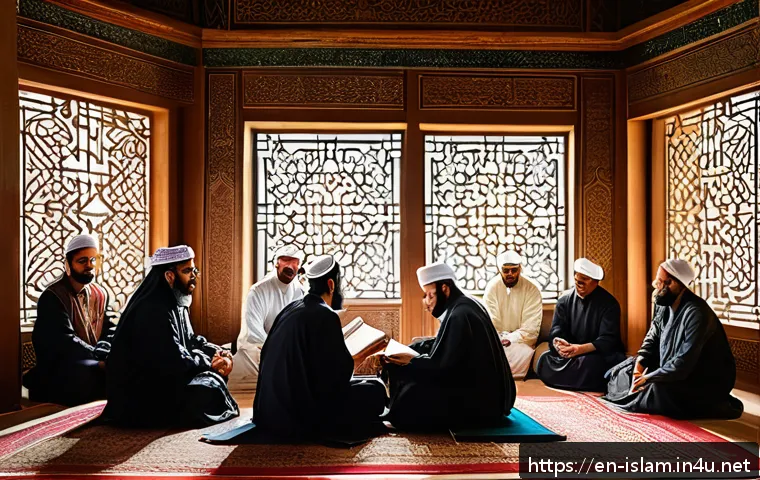
Education is fundamental, with institutions dedicated to teaching the principles, history, and applications of this system. These centers vary widely—from formal universities to local madrasas—and play a pivotal role in shaping future scholars and leaders.
My experience visiting some of these institutions revealed a vibrant intellectual tradition that blends classical learning with contemporary issues, far from the monolithic image often assumed.
The Judicial Process and Legal Pluralism
Courts applying these principles often operate alongside secular legal systems, creating a form of legal pluralism. This coexistence can be complex but allows for tailored justice that respects religious values while engaging with modern state law.
It’s interesting to note how judges navigate these dual frameworks, sometimes even influencing national legislation or social policy.
Challenges and Reforms in Legal Systems
Like any legal tradition, this framework faces challenges adapting to changing social norms, human rights concerns, and globalization. Reform efforts are ongoing, led by scholars and activists who seek to reconcile tradition with contemporary values.
From my observations, these debates are vibrant and essential, reflecting a living tradition wrestling with the demands of modern life.
Common Myths Versus Reality: A Comparative Overview
Mythbusting Through Historical and Modern Examples
Many misconceptions stem from selective media portrayals or outdated stereotypes. For instance, the idea that this system enforces a single, unchanging code of law ignores centuries of diversity and evolution.
Historical examples demonstrate periods of tolerance, pluralism, and innovation, while contemporary cases show ongoing debates and reforms. This contrast is key to understanding the true nature beyond myths.
Impact of Political and Media Narratives
Political agendas and sensationalist media often amplify fears or misunderstandings, reducing a complex system to simplistic soundbites. This has real consequences, fueling prejudice and misunderstanding.
I’ve noticed that when people take the time to engage with authentic voices and scholarship, their perspectives often shift toward greater empathy and nuance.
How Education and Dialogue Can Bridge Divides
The path to clearer understanding lies in education and open dialogue. Community programs, interfaith initiatives, and academic exchanges provide opportunities to explore the rich layers behind common assumptions.
From personal experience, conversations rooted in respect and curiosity can transform misconceptions into meaningful connections, fostering a more informed and inclusive worldview.
| Aspect | Common Misconception | Reality |
|---|---|---|
| Legal Uniformity | It is a single, unchanging legal code worldwide. | It is diverse, interpreted differently across cultures and regions. |
| Punishments | Harsh and applied indiscriminately. | Strict conditions apply; emphasis on mercy and restorative justice. |
| Women’s Rights | Women are universally oppressed under this system. | Rights and roles vary widely; many communities promote education and leadership. |
| Financial Practices | It restricts all modern economic activities. | Encourages ethical finance, charity, and innovative banking solutions. |
| Judicial Role | Courts operate independently of state law. | Often coexist with secular systems, creating legal pluralism. |
In Conclusion
This overview highlights the rich complexity and adaptability of the legal and ethical framework discussed. Far from being rigid or uniform, it reflects centuries of interpretation, cultural diversity, and evolving practices that address both spiritual and social needs. Understanding these nuances helps dismantle common misconceptions and reveals a living tradition that continues to engage with modern challenges thoughtfully.
Useful Information to Keep in Mind
1. This system is not a single fixed code but varies widely depending on cultural and regional contexts.
2. Punishments are applied with careful consideration, focusing heavily on justice and mercy rather than harshness.
3. Gender roles and rights are complex and evolving, with many communities actively promoting education and leadership for women.
4. Financial ethics encourage fairness and innovation, supporting social welfare through structured charity and alternative economic models.
5. Legal institutions often operate alongside secular courts, creating a pluralistic judicial environment that balances tradition and modern law.
Key Takeaways
It’s important to recognize the dynamic and interpretive nature of this framework, which integrates legal, ethical, and social dimensions into a coherent system. Misconceptions often arise from oversimplifications or media portrayals, but the reality is far more nuanced. The interplay between tradition and contemporary realities demonstrates an ongoing commitment to justice, compassion, and community welfare, making the system relevant and adaptable today.
Frequently Asked Questions (FAQ) 📖
Q: What exactly is Sharia law, and how is it applied in different countries?
A: Sharia law is a comprehensive legal and ethical system derived primarily from the Quran and the Hadith, guiding various aspects of a Muslim’s life, including worship, morality, and social conduct.
However, its application varies significantly across countries. Some nations implement Sharia strictly in personal matters like marriage, inheritance, and family law, while others integrate it into criminal law or broader legal frameworks.
For example, in countries like Saudi Arabia and Iran, Sharia forms the basis of the entire legal system, whereas in places like Indonesia or Malaysia, it often coexists with secular laws.
Understanding this diversity is crucial to avoid oversimplified views of Sharia as a monolithic or uniformly enforced code.
Q: Is Sharia law incompatible with human rights and modern values?
A: This is a common misconception often fueled by media portrayals. In reality, interpretations of Sharia vary widely, and many Muslim scholars advocate for readings that harmonize Sharia with universal human rights principles.
Issues arise primarily when rigid or extreme interpretations are enforced without contextual understanding. Many Muslim-majority countries have adapted Sharia principles to align with contemporary values, especially regarding justice, equality, and social welfare.
It’s important to recognize that Sharia is not a fixed, unchangeable system; it’s dynamic and has historically evolved in response to changing societal needs.
Q: How does Sharia impact everyday life for Muslims around the world today?
A: For many Muslims, Sharia serves as a personal moral compass rather than a strict legal code imposed by the state. It influences daily routines such as prayer, dietary choices, business ethics, and social interactions.
In communities where Sharia is part of the legal system, it may govern family disputes, contracts, and inheritance laws, offering a framework that aligns with religious beliefs.
From personal spirituality to communal governance, Sharia’s role varies but often aims to foster justice, compassion, and social harmony within diverse cultural contexts.
My own conversations with friends living in different countries reveal how Sharia shapes their lives in nuanced, deeply personal ways rather than through rigid legal impositions.