Have you ever found yourself at a crossroads, pondering the deeper meaning of life or searching for a sense of belonging that truly resonates with your soul?
I know I certainly have, and in those moments of introspection, it’s fascinating to observe the diverse paths people take to find their truth. Lately, I’ve noticed a significant surge in conversations surrounding individuals exploring new spiritual horizons, and among these, the stories of those embracing Islam are particularly compelling and increasingly common in our interconnected world.
It’s a journey that often begins subtly, perhaps with a flicker of curiosity about a different culture, a friend’s personal testimony, or a search for answers that traditional avenues haven’t provided.
What truly draws someone to make such a profound life-altering decision isn’t just one thing; it’s a tapestry woven with threads of intellectual inquiry, emotional fulfillment, and a yearning for a structured spiritual life.
From hearing firsthand accounts, I’ve learned that these conversions are deeply personal, often marked by a quest for peace, community, and a deeper connection to a divine purpose.
If you’ve ever wondered about the powerful motivations behind these transformations or the genuine experiences of those who have found their way to Islam, then prepare to have your perspectives broadened and your heart touched by these incredible human stories.
Let’s accurately find out more about these journeys and what they entail.
You know, it’s truly remarkable how life can guide us down paths we never anticipated. I’ve heard countless stories, and honestly, each one reinforces my belief that the human heart yearns for something profound.
When people discover Islam, it’s often not a sudden leap, but a thoughtful, often emotional journey, deeply personal and incredibly impactful. It’s about finding that missing piece, that sense of belonging and peace that feels just right.
The Unexpected Path: Why People Seek Islam
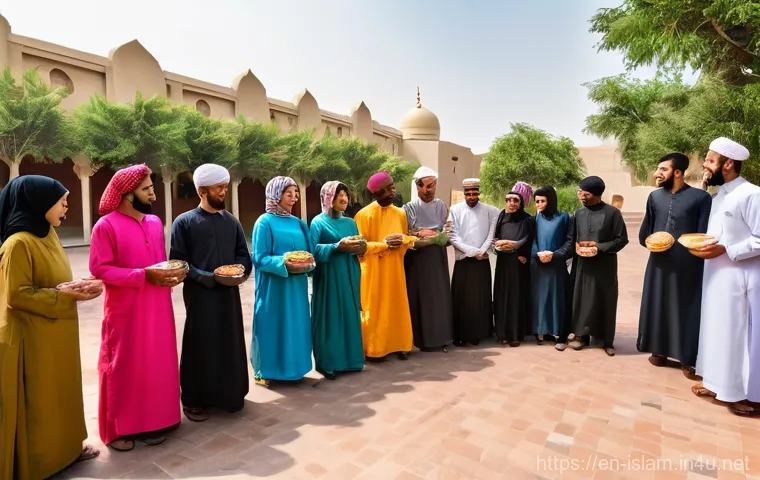
It’s easy to assume that people convert to a new faith for simple reasons, but from what I’ve seen and heard, it’s rarely superficial. Many individuals I’ve spoken with felt a deep-seated spiritual void, a nagging feeling that there had to be more to life than the daily grind or the material pursuits that often dominate our modern world. They were searching for deeper meaning, a framework that could truly explain existence, and Islam often presented itself as a coherent and compelling answer. Think about it: in a world that often feels chaotic and directionless, finding a structured spiritual life can be incredibly grounding. It’s not about escaping reality, but about finding a reality that resonates with their inner quest for truth and purpose.
Searching for Deeper Meaning in a Busy World
I’ve talked to so many folks who felt lost amidst the hustle and bustle. One young woman, Sarah, told me she had a successful career, a great social life, but still felt incredibly empty. She’d tried different avenues, but nothing truly ‘clicked’. Then she stumbled upon some lectures about Islam, and suddenly, things started making sense. The emphasis on a singular God, the clear moral code, the idea of a life lived with intention – it all started to fill that void. It wasn’t an overnight change, but a gradual unfolding, like watching a flower bloom. It’s a process of internal discovery, where the heart finds solace in principles that offer guidance and a clear purpose.
Intellectual Curiosity and the Quest for Truth
Beyond emotional fulfillment, a lot of people are drawn to Islam through intellectual inquiry. They pick up the Qur’an, perhaps out of curiosity, and find themselves captivated by its eloquence and profound messages. I remember hearing about Joram van Klaveren, a former Dutch politician who initially set out to write an anti-Islam book. But as he delved into his research, he was so profoundly moved by what he discovered that he ended up embracing Islam himself. His journey, like many others, highlights how a genuine pursuit of knowledge can lead to unexpected and transformative conclusions. It shows that sometimes, the best way to understand something is to truly immerse yourself in it, even if your initial intentions are quite different.
A Personal Encounter that Ignites Change
Sometimes, it’s a deeply personal experience that acts as the catalyst. For some, it might be observing the incredible peace and resilience of a Muslim friend during a difficult time. For others, it’s a profound moment of reflection, perhaps after a near-death experience, like the musician Cat Stevens (Yusuf Islam) who famously found Islam after a terrifying drowning incident. He felt a divine intervention and later, upon reading the Qur’an, realized it contained the answers he’d been searching for his whole life. These aren’t just intellectual shifts; they’re heart-level transformations that reshape an individual’s entire worldview.
More Than a Religion: Finding Community and Purpose
Islam isn’t just a set of beliefs; it’s a way of life that strongly emphasizes community and mutual support. This aspect is incredibly appealing, especially in societies where individualism can sometimes lead to isolation. Many converts describe finding an immediate sense of belonging, a feeling of being part of a larger family – the ‘Ummah’ – that transcends geographical boundaries and cultural differences. This powerful sense of connection provides a robust support system, offering both spiritual and social anchors that many people have felt missing in their previous lives. It’s a warmth that you can almost feel, knowing you’re not alone on your journey.
The Warmth of the Muslim Community
From my conversations, it’s clear that the warmth and acceptance found within Muslim communities play a huge role. I’ve heard stories of new converts being immediately embraced, invited to meals, and guided through their new practices. This isn’t just about showing up for prayers; it’s about forming genuine bonds of brotherhood and sisterhood. Imagine stepping into a mosque for the first time, perhaps a bit nervous, and being met with smiles, helping hands, and genuine inquiries about your well-being. It’s a powerful experience that makes you feel seen and valued, creating a foundation of support that is so vital for anyone embarking on a new spiritual journey.
Structuring Life Around a Divine Blueprint
One of the most recurring themes I hear is how Islam offers a clear, structured path for daily living. From the five daily prayers that punctuate the day, to dietary guidelines, and ethical principles, it provides a comprehensive blueprint for leading a purposeful life. This structure can be incredibly comforting and empowering. People often mention how it brings discipline and a greater sense of peace, knowing that their actions are guided by a divine purpose. It’s like having a compass in your hand, always pointing you towards what’s right and meaningful. For many, this structured approach helps them navigate the complexities of modern life with renewed clarity and strength.
From Solitude to Sisterhood/Brotherhood
The transition often means moving from a feeling of individual isolation to a powerful sense of collective identity. It’s about finding people who share your deepest values and aspirations. This is particularly true for women who often find immense strength and solidarity in sisterhood circles, where they can discuss their faith, challenges, and joys in a supportive environment. I’ve seen firsthand how these bonds flourish, offering a profound emotional and spiritual connection that combats feelings of loneliness and provides unwavering support through thick and thin. It’s truly heartwarming to witness.
Navigating the Journey: Challenges and Triumphs
Embracing Islam is certainly not always easy, and it comes with its own set of challenges, especially in Western societies where misconceptions about the faith are unfortunately common. I’ve seen people face everything from questioning glances from strangers to outright hostility from those who misunderstand their choices. Yet, it’s precisely in navigating these difficulties that many converts discover an incredible inner strength and an even deeper conviction in their faith. The triumphs, no matter how small, become powerful affirmations of their spiritual path, reinforcing the profound peace and purpose they’ve found. It’s truly inspiring to witness their resilience.
Overcoming Personal Hurdles and Prejudices
Let’s be real, changing your entire lifestyle and belief system is a big deal. Converts often have to adjust to new dietary restrictions, prayer times, and social norms, which can feel daunting at first. Beyond the personal adjustments, dealing with societal prejudices and Islamophobia is a very real challenge. I’ve heard stories of people losing friends, facing criticism from family, or even experiencing discrimination at work. It takes immense courage and conviction to stand firm in your beliefs when the world around you might not understand or accept them. But it’s in facing these obstacles that faith often deepens, and their resolve strengthens.
The Joy of Discovery and Spiritual Growth
Despite the hurdles, the overwhelming sentiment I encounter is one of immense joy and spiritual liberation. Converts often describe a feeling of finally coming home, of having found the truth they were always searching for. This newfound peace and clarity are profound triumphs. The daily practices, like prayer and reading the Qur’an, transform from duties into cherished moments of connection and reflection, fostering incredible spiritual growth. It’s like discovering a secret garden within yourself, filled with tranquility and understanding that was always there, waiting to be found.
Learning the Ropes: Prayer, Fasting, and Lifestyle Changes
For many, the initial learning curve can feel steep. I mean, figuring out how to pray five times a day, understanding the nuances of fasting during Ramadan, or even navigating halal dietary requirements, it’s a lot! But what’s truly amazing is the dedication and eagerness to learn. New Muslims often immerse themselves in studying, seeking knowledge, and connecting with experienced community members who guide them. It transforms into a beautiful journey of continuous learning and self-improvement, where every new practice brings them closer to their faith and a more intentional way of living. It’s a genuine commitment that reshapes their daily rhythm.
Shattering Misconceptions: The Reality of Conversion
One of the most vital aspects of these personal stories is how they directly challenge widespread misconceptions about Islam and conversion. There’s often a narrative in popular culture that paints conversion as something driven by external pressure or even coercion, which, from what I’ve genuinely observed and heard, couldn’t be further from the truth for the vast majority. It’s a deeply personal, often independent decision fueled by an internal search for spiritual fulfillment, clarity, and community. These stories aren’t just about individual journeys; they’re powerful living testimonies that help to dismantle stereotypes and reveal the true motivations behind embracing Islam. It’s truly refreshing to hear the real, unfiltered experiences.
Addressing Stereotypes Head-On
It’s no secret that Islam is often misunderstood in Western media, with stereotypes portraying it as a rigid or oppressive religion. However, the personal testimonies of converts consistently debunk these myths. They speak of finding freedom, peace, and a profound sense of empowerment through their faith, directly contradicting the negative narratives. I’ve seen converts, especially women, passionately explain how hijab, for example, is a choice that brings them liberation, not subjugation. These individual voices are crucial in correcting misinformation and presenting an authentic picture of what Islam truly means to its followers.
Finding Peace, Not Oppression
A common stereotype is that Islam is an oppressive faith, particularly for women. Yet, countless women who convert to Islam report finding immense peace, respect, and a clear sense of identity. They talk about finding true liberation from societal pressures and the superficiality often found in modern life. The structure of Islam, with its emphasis on modesty and inner spirituality, can actually be incredibly empowering, allowing women to focus on their character and connection with God rather than external appearances. It’s a powerful shift in perspective that many find incredibly liberating.
The Individual Choice, Not a Group Mandate
Despite some narratives, conversion to Islam is almost universally a voluntary and personal decision. People aren’t forced; they are drawn to the faith through their own intellectual and spiritual explorations. I’ve heard many say it felt like an undeniable calling, a discovery that resonated deeply within their soul. This individual agency is a cornerstone of conversion stories, highlighting that each person’s journey is unique and self-determined. It’s about a personal connection to a higher power, not a group dictate.
Everyday Life as a Muslim: A Personal Transformation
When someone embraces Islam, it’s not just a change of belief; it’s often a beautiful and profound transformation of their entire daily life. I’ve watched friends and heard countless stories of people who, after converting, began to integrate their faith into every facet of their existence. It’s about finding intention in everything, from how they eat and dress to how they interact with the world around them. This shift often brings a sense of inner peace and purpose that wasn’t there before, truly reshaping their routines and priorities. It’s a holistic change that radiates from within.
New Routines, Renewed Spirit
The daily rhythm of a Muslim’s life is beautifully structured around prayer, reflection, and mindful living. The five daily prayers, for instance, aren’t just rituals; they’re moments of intentional pause, a chance to reconnect with God and recenter oneself, no matter how hectic the day gets. This creates a consistent spiritual anchor. Beyond prayer, there’s a heightened awareness of ethical consumption (halal), charitable giving (zakat), and generally striving for good character in all interactions. It’s truly incredible to see how these practices transform mundane tasks into acts of worship, infusing every moment with deeper meaning and purpose.
The Power of Daily Prayers and Reflection
I can’t tell you how many converts have told me that the daily prayers are one of the most transformative aspects of their new faith. It’s more than just bowing and prostrating; it’s a direct, intimate conversation with God, five times a day. This constant connection, this intentional pause, brings an incredible sense of peace and perspective. They describe it as a cleansing, a way to shed the stresses of the day and replenish their spirit. For many, it’s the anchor that keeps them grounded, a continuous reminder of their purpose and connection to the Divine. It’s truly beautiful to witness.
Finding Strength in Simplicity and Modesty
Many converts, especially women, discover profound strength and liberation in embracing principles of simplicity and modesty. It’s not about being restrictive; it’s about shifting focus from superficial appearances to inner character and spiritual development. For some, this means adopting the hijab, which they describe as a shield against societal pressures and a way to reclaim their autonomy. For others, it’s about a more general approach to consumption and lifestyle, choosing mindfulness over materialism. This focus on inner richness often leads to a deeper sense of contentment and self-worth.
The Ripple Effect: Impact on Family and Friends
When someone makes such a profound decision to embrace a new faith like Islam, it inevitably creates ripples throughout their personal relationships. It’s a journey that doesn’t happen in a vacuum, and the reactions from family and friends can range from joyous acceptance to confusion, and sometimes, even outright resistance. I’ve seen firsthand how converts navigate these delicate situations, often with incredible grace and patience, striving to maintain their bonds while holding firm to their newfound beliefs. It’s a testament to the strength of human connection and the power of sincere faith.
Sharing the News: Reactions and Adjustments
Telling your loved ones that you’ve embraced a new religion, especially one that might be misunderstood, is rarely easy. I’ve heard stories that range from family members being overjoyed and curious, to others who are deeply concerned or even hostile. It’s a vulnerable moment, and the immediate reactions can be tough to process. But what I’ve observed is an incredible determination from converts to explain their decisions, to share their peace, and to help their loved ones understand their new path. It often requires a lot of patience, open dialogue, and a willingness to navigate unfamiliar territory together.
Building Bridges of Understanding
A beautiful part of this journey is the effort converts make to build bridges of understanding. They become ambassadors of their faith, patiently answering questions, debunking myths, and sharing their personal experiences to foster empathy. It’s about showing, not just telling, what Islam means to them through their actions and character. I’ve seen how this gentle approach can soften hearts and transform skepticism into curiosity, slowly but surely dispelling misunderstandings. It’s a continuous process of dialogue and mutual respect, leading to deeper, more meaningful relationships.
Maintaining Bonds While Embracing New Traditions
Navigating holidays, family gatherings, and everyday interactions can require thoughtful adjustments. Converts often find creative ways to participate in family traditions while upholding their Islamic principles. It’s about finding a balance, showing respect for their heritage while celebrating their new identity. I remember one friend who, for Christmas, would focus on the charitable aspects and spending quality time with family, avoiding anything that conflicted with her faith. These efforts to maintain beloved bonds, even with new traditions, speak volumes about the love and dedication involved.
A Sense of Belonging: The Global Ummah
One of the most profound aspects of embracing Islam is discovering a connection to a global community that is truly unparalleled. It’s not just about local mosques or immediate circles; it’s about becoming part of the ‘Ummah,’ a worldwide brotherhood and sisterhood of over 1.8 billion Muslims. This sense of belonging is incredibly powerful, offering a universal family that transcends nationality, race, and language. In a world that often feels fractured, this global unity provides immense comfort, strength, and a shared purpose that I’ve personally seen transform lives.
Connecting with Millions Worldwide
Imagine feeling connected to millions of people you’ve never met, simply because you share the same faith. That’s the reality for many converts. This global connection provides an incredible sense of solidarity and support. Whether it’s through online communities, international events, or simply the knowledge that Muslims around the world are praying in the same direction, there’s a powerful feeling of being part of something much larger than oneself. It’s a testament to the universal message of Islam, fostering bonds that truly span continents.
The Universal Message of Islam
Islam’s message is universal, speaking to the innate human desire for justice, peace, and a connection to the Divine. It’s not limited to one culture or ethnicity, which is why it resonates with people from all walks of life, all over the globe. I’ve heard so many converts express how they were drawn to its pure monotheism, its emphasis on submission to God, and its practical guidance for living a moral life. This universality makes it incredibly accessible and appealing, fostering a sense of shared humanity and common purpose among its diverse adherents.
Finding Your Place in a Diverse Global Family
The beauty of the Ummah lies in its incredible diversity. You’ll find Muslims of every race, nationality, and background, all united by their shared faith. Converts often speak of how this diversity enriches their lives, exposing them to different cultures and perspectives while reinforcing the idea that faith can truly bring people together. It’s like joining a massive, welcoming family where everyone has a unique story, but all are striving towards a common goal. This sense of global unity is a powerful antidote to division and isolation in our modern world.
| Common Motivations for Embracing Islam | Personal Impact Reported by Converts |
|---|---|
| Seeking deeper meaning and purpose in life. | Profound sense of peace and inner tranquility. |
| Intellectual conviction and discovery of truth. | Clear moral compass and structured daily life. |
| Desire for strong community and belonging. | Strong sense of global brotherhood/sisterhood (Ummah). |
| Finding answers to existential questions. | Empowerment through spiritual connection and modesty. |
| Positive influence and example of Muslims. | Increased self-discipline and intentional living. |
Wrapping Things Up
You know, looking back at all these incredible stories, it really hits home how uniquely personal and profoundly transformative the journey to Islam can be. It’s never just about changing a belief; it’s about discovering a sense of peace, purpose, and belonging that truly resonates deep within the soul. Each person’s path is a testament to the human heart’s unending search for truth and connection, proving that faith is a living, breathing experience.
Good to Know Info for Your Journey
1. Dive into Reliable Knowledge: If you’re curious or newly embraced Islam, there are so many amazing resources out there. Think reputable Islamic institutes like Yaqeen Institute, or websites like Al-Islam.org, which offer a wealth of information, from understanding the Quran to practical daily life aspects. It’s about empowering yourself with knowledge!
2. Connect with a Local Community: Finding a supportive Muslim community, whether it’s at your local mosque or an online group, can make a huge difference. They offer guidance, friendship, and a sense of belonging that’s truly invaluable, especially when you’re navigating new practices. Don’t be shy; people are generally incredibly welcoming!
3. Patience with Loved Ones is Key: It’s completely normal for family and friends to have questions or even initial concerns. Your journey is yours, but gently sharing your experiences and showing them the positive changes in your life can help bridge any gaps in understanding over time. It’s a marathon, not a sprint, when it comes to hearts and minds.
4. Be a Dispeller of Misconceptions: Unfortunately, there are a lot of stereotypes out there about Islam. By living your faith authentically and being open to answering questions, you become a powerful example that can help challenge those misunderstandings and promote a more accurate picture of what Islam truly stands for. Your actions speak volumes!
5. Remember the Inner Transformation: While there are many external practices, the heart of embracing Islam is an internal shift—a deeper connection with God and a renewed sense of purpose. Focus on nurturing that spiritual growth, and the rest will naturally fall into place. It’s your personal conversation with the Divine.
Key Takeaways
What truly stands out from every story of embracing Islam is the deeply personal and often profound quest for truth, purpose, and spiritual fulfillment. It’s a journey that frequently begins with an individual feeling a deep void, driven by intellectual curiosity, or inspired by the profound peace observed in others. The decision to convert is overwhelmingly voluntary, a personal calling that resonates deeply within one’s soul, not an external mandate. This path often leads to finding an incredible sense of belonging within the global Muslim community, the ‘Ummah’, which provides immense support and brotherhood/sisterhood across all boundaries. While challenges like societal misconceptions or adjusting to new practices are real, they are often met with an inspiring resilience and lead to an even stronger conviction in faith. Ultimately, embracing Islam is about a holistic transformation that brings inner peace, a structured life guided by divine principles, and a powerful sense of identity, effectively shattering stereotypes through real-life experiences. It’s a beautiful testament to the human spirit’s capacity for growth and connection to something truly universal and profound.
Frequently Asked Questions (FAQ) 📖
Q: What exactly draws individuals from such diverse backgrounds to embrace Islam in today’s world?
A: That’s such a profound question, and honestly, it’s one I’ve pondered quite a bit myself, listening to so many incredible journeys. From what I’ve observed and the conversations I’ve had, it’s rarely a single ‘aha!’ moment that leads someone to Islam.
Instead, it’s often a beautiful tapestry of reasons. Many folks I’ve chatted with mention feeling a deep intellectual pull—they start reading the Quran, or studying Islamic history, and find answers to questions they’ve carried for years.
It’s like finding a missing piece to a puzzle they didn’t even realize they were solving! Others are drawn by the incredible sense of community; they see how Muslims support each other, how they gather for prayers, and it speaks to a longing for belonging.
And then there’s the undeniable peace. In our often chaotic world, the structured yet deeply spiritual nature of Islam, with its daily prayers and emphasis on gratitude, offers a profound sense of calm and purpose that many describe as truly life-changing.
It’s almost as if they were searching for a spiritual home, and they found it in Islam.
Q: What are some of the most common personal experiences or “lightbulb moments” that lead someone to decide to convert?
A: Oh, this is where the stories really get personal and truly touch your heart! While every journey is unique, I’ve heard countless fascinating ‘lightbulb moments.’ For some, it might start with a simple interaction—a kind gesture from a Muslim stranger, or seeing how a Muslim friend handles adversity with grace.
These small moments can plant a seed of curiosity. Then there are those who dive into research, perhaps after a crisis or a period of intense introspection.
They might stumble upon a verse in the Quran that resonates so deeply it feels like it was written just for them, offering comfort or clarity. I remember one friend telling me she felt a void, a spiritual emptiness, and after exploring various paths, the systematic yet compassionate teachings of Islam just clicked.
It wasn’t about converting to something entirely new, she said, but rather ‘coming home’ to beliefs that always felt inherently right. It’s often a deeply emotional and intellectually satisfying realization, a moment where everything just aligns.
Q: Once someone embraces Islam, what kind of changes can they typically expect in their daily life and social interactions?
A: This is a really practical and important question! When someone embraces Islam, it’s not just a change of belief; it often leads to beautiful transformations in daily life.
One of the most noticeable aspects is the integration of prayer (Salah) five times a day. Now, for someone new, that might sound daunting, but my friends who’ve made the switch often describe it as an incredibly grounding and peaceful rhythm.
It creates moments of mindfulness and connection throughout the day. You’ll also find changes in diet, like abstaining from pork and alcohol, and often a more conscious approach to modesty in dress, especially for women, which many describe as incredibly liberating and empowering.
But beyond these visible changes, what truly stands out is the immense support system. The Muslim community (Ummah) is incredibly welcoming, and new converts often find themselves surrounded by people eager to guide, support, and share their journey.
It’s truly like gaining a huge, loving family overnight, offering a sense of belonging and purpose that’s absolutely invaluable.