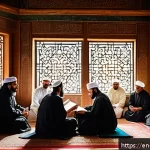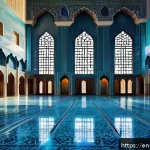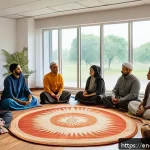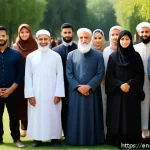
Oh, hey there, my awesome readers! You know, for a long time, there’s been this one-sided narrative about Islam that just doesn’t sit right with me. It’s like people imagine one giant, homogenous group, almost like a single entity, which couldn’t be further from the truth.
If you’ve ever traveled or even just chatted with different Muslim friends, you’d quickly realize how incredibly rich and varied the global Muslim community truly is.
It’s not just about the Middle East; we’re talking about vibrant cultures spanning from Indonesia’s stunning islands, home to the largest Muslim population, all the way to the bustling streets of Nigeria, and even thriving communities right here in the West!
What often gets overlooked are the unique traditions, languages, and even distinct interpretations of faith that flourish within Islam, creating this beautiful tapestry of identities.
It’s a testament to the fact that Islam has adapted and enriched countless local cultures without losing its core principles. Honestly, when I started digging into this, I was genuinely blown away by how much more there is to discover beyond the headlines and common stereotypes.
It’s a powerful reminder that diversity isn’t just tolerated in Islam; it’s often celebrated as a sign of divine creation and an invitation for us all to learn and connect.
So, if you’ve ever wondered about the depth and breadth of what it truly means to be Muslim in our interconnected world today, or if you’re keen to challenge some of those lingering misconceptions, you’re in for a treat.
This isn’t just some dry historical overview; it’s an exploration of living, breathing communities and the future of Islamic identity in a rapidly changing global landscape.
You might even find parallels to your own cultural experiences! Let’s dive in and really get to the bottom of the incredible diversity within Islam together.
Embracing the Kaleidoscope: Islam’s Global Tapestry
You know, when I first started traveling, my perception of Islam was, frankly, pretty narrow. I think a lot of us, especially in the West, are fed this rather singular image that just doesn’t reflect the breathtaking reality. But as I journeyed through different corners of the world, from the bustling souks of Morocco to the serene temples of Southeast Asia, I quickly realized that Islam is less of a monochrome painting and more of a vibrant, intricate kaleidoscope. It’s absolutely mind-blowing to witness how faith intertwines with local customs, languages, and artistic expressions, creating something truly unique in each region. We’re talking about communities where Islamic principles have been woven into the fabric of society for centuries, adapting and evolving in ways that are both deeply traditional and wonderfully innovative. I mean, think about the architectural marvels in Uzbekistan or the melodic recitations in Indonesia – these aren’t just different styles; they’re testaments to how local genius and global faith can beautifully converge. This rich cultural exchange is precisely what makes the global Muslim community so incredibly dynamic and, dare I say, endlessly fascinating. It’s a testament to the fact that diversity isn’t just tolerated within Islam; it’s often celebrated as a sign of divine creation and an invitation for us all to learn and connect on a much deeper level than the headlines often suggest. It’s a journey of discovery, really, and one that consistently reminds me of the sheer beauty of human adaptation and shared spirituality.
A Symphony of Cultures: From Timbuktu to Kuala Lumpur
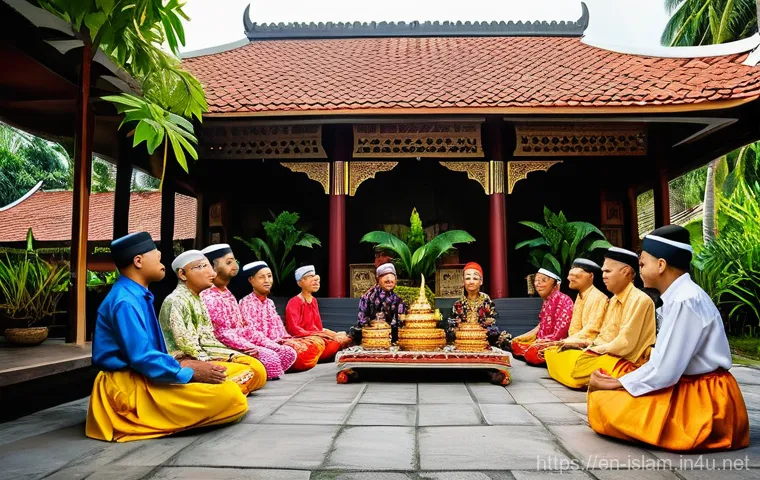
It’s genuinely incredible how Islam, while maintaining its core tenets, has managed to embrace and enrich countless local cultures without losing its essence. I remember being in Malaysia and seeing how Islamic traditions were seamlessly blended with Malay customs, creating ceremonies and daily practices that felt distinct yet undeniably Muslim. Then, on another trip, I found myself captivated by the Sufi traditions in places like Senegal, where music and dance become powerful forms of worship, completely different from what I’d experienced elsewhere. It truly hit me then: there isn’t one ‘right’ way to be Muslim; there are millions of right ways, all under the broad umbrella of faith. This adaptability has allowed Islam to spread and flourish across continents, not as a colonizing force that erases local identities, but often as a cultural enhancer, adding new layers of meaning and expression. The mosques in China, for example, often feature traditional Chinese architectural styles, complete with pagoda roofs, which is something I found utterly charming and insightful. It speaks volumes about the capacity of faith to resonate with diverse human experiences.
The Living Heritage: Languages, Arts, and Local Customs
One of the aspects that absolutely fascinates me is the linguistic and artistic diversity within the Islamic world. Beyond Arabic, which holds a sacred place as the language of the Quran, you find countless languages shaping the Islamic experience. Think about Urdu poetry, Persian calligraphy, or the rich oral traditions in Swahili-speaking Muslim communities. These aren’t just translations; they are distinct cultural expressions of faith. I recall seeing intricate Islamic geometric patterns adorning buildings in Spain, a testament to centuries of Moorish influence, which felt worlds away from the vibrant textile art I encountered in West Africa, both deeply rooted in Islamic aesthetics. It’s like each region adds its own unique brushstroke to a grand, ongoing masterpiece. This isn’t just about preserving heritage; it’s about continuously creating new forms of expression that reflect contemporary realities while honoring ancient wisdom. It really makes you appreciate how a single faith can inspire such an astonishing array of human creativity and cultural richness across the globe.
Beyond the Arab World: Diverse Muslim Communities
When most people think of Muslims, their minds often jump straight to the Middle East, and while that region is undeniably significant to Islamic history and identity, it’s just a piece of a much larger, more intricate puzzle. Honestly, it took me a while to truly grasp the sheer scale of Muslim populations outside of the Arab world, and when I did, it completely reshaped my understanding. Did you know that Indonesia, a country in Southeast Asia, boasts the largest Muslim population globally? I mean, think about that for a second! It’s a vibrant, incredibly diverse nation with unique traditions, languages, and cultures that are distinctly its own, yet deeply rooted in Islam. And it doesn’t stop there. We have thriving, ancient Muslim communities stretching across sub-Saharan Africa, in places like Nigeria and Mali, where the faith has intertwined with indigenous practices for centuries. Then there are the massive Muslim populations in South Asia, particularly in India and Pakistan, each with their own rich tapestry of history, art, and philosophical interpretations. Even in Europe and the Americas, Muslim communities are flourishing, bringing their diverse backgrounds and contributing significantly to the cultural landscape. It’s a powerful reminder that the Muslim identity is truly global, transcending geographical and ethnic boundaries in ways that are often overlooked in mainstream narratives. My own journey meeting Muslims from these varied backgrounds has been nothing short of transformative, offering glimpses into traditions and perspectives I never even knew existed.
Southeast Asian Islam: A Unique Blend
My visit to Southeast Asia, particularly Indonesia and Malaysia, was a real eye-opener. It challenged every preconceived notion I had about what “Muslim culture” looked like. Here, Islam has taken on a distinctly gentle and syncretic character, often blending with pre-existing Hindu, Buddhist, and animist beliefs. You’ll find mosques adorned with traditional Javanese carvings, and local festivals often incorporate elements that predate Islam’s arrival. I was particularly struck by the warmth and hospitality of the people, and how their interpretation of faith seemed to emphasize community harmony and moderation. The food, the music, the intricate batik patterns – it all spoke of an Islam that is deeply integrated into the local way of life, creating a cultural expression that is vibrant, inclusive, and unmistakably Southeast Asian. It’s a far cry from the images often portrayed in media, showcasing a version of Islam that is both ancient and thoroughly modern, constantly evolving while staying true to its spiritual core.
African Muslim Heritage: A Legacy of Scholarship and Art
Stepping into the Muslim communities of Africa felt like walking through living history. From the ancient libraries of Timbuktu, once a renowned center of Islamic scholarship, to the vibrant Sufi lodges across Senegal and Morocco, the African continent holds an incredibly rich and often underappreciated Islamic legacy. I was particularly moved by the deep spiritual traditions and the emphasis on oral history and community elders. In many parts of West Africa, for example, Islam arrived not through conquest, but through trade and the gentle persuasion of scholars and merchants, allowing for a profound integration with existing societal structures. The architectural styles, the unique drumming rhythms used in religious ceremonies, and the distinctive dress codes all showcase an Islam that has beautifully adapted to and enriched the diverse cultures of Africa. It truly highlights how Islam isn’t a monolith, but a dynamic faith that takes on the colors and textures of the lands it inhabits, creating a truly diverse and awe-inspiring tapestry.
Faith in Flux: Interpretations and Traditions
It’s easy to assume that a global faith like Islam presents a completely unified front, where everyone practices and interprets scripture in exactly the same way. But, oh boy, is that a misconception! From my own experiences talking to different Muslim friends and visiting various communities, I’ve learned that the internal landscape of Islamic thought and practice is as diverse as its geography. You have different schools of thought within both Sunni and Shia Islam, each with its own rich history of scholarship, legal interpretations, and theological nuances. Some communities might lean towards more mystical Sufi traditions, emphasizing a personal, inward journey to connect with the divine through poetry, music, and meditation. Others might prioritize legal scholarship and adherence to specific jurisprudential schools, focusing on community laws and ethical frameworks. The beautiful thing is that these aren’t necessarily conflicting paths; they often represent different avenues to approach and express faith, all rooted in the core tenets of Islam. It truly opened my eyes to the intellectual depth and spiritual breadth that exists, reminding me that understanding a faith isn’t just about reading a text, but about engaging with the living, breathing traditions and interpretations of its adherents. It really makes you think about how adaptable and multifaceted faith can be in addressing the complexities of human existence.
Diverse Approaches to Islamic Law and Ethics
When we talk about Islamic law, or Sharia, it’s not a single, rigid code that applies universally in the same way. It’s actually a complex system of jurisprudence built upon different schools of thought, primarily within Sunni and Shia Islam, that have evolved over centuries. I remember having a fascinating conversation with a legal scholar who explained how different regions adopted various schools, leading to distinct interpretations on matters ranging from finance to family law. For instance, the Maliki school is prominent in North Africa, while the Hanafi school holds sway in parts of South Asia and Turkey, and they often have differing views on specific issues. This intellectual dynamism means that while the core principles remain constant, their application can vary significantly based on scholarly consensus, local customs, and judicial precedent. It truly showcases the rich intellectual tradition within Islam, where reasoned debate and scholarly inquiry are deeply valued, leading to a spectrum of ethical and legal considerations that address diverse societal needs.
The Mystical Path: Sufism and Inner Spirituality
One of the most profound aspects of Islamic diversity that truly resonates with me is Sufism, the mystical dimension of Islam. It’s often misunderstood, but for many, it represents a deeply personal and emotionally rich journey towards spiritual purification and a direct experience of the divine. I’ve had the privilege of witnessing Sufi ceremonies, from the mesmerizing whirling dervishes in Turkey to the rhythmic chanting (dhikr) in North African lodges, and each experience left me with a sense of awe and deep peace. Sufi teachings emphasize love, compassion, and the pursuit of inner truth, often expressed through exquisite poetry, music, and philosophical writings. Figures like Rumi, whose poems speak of universal love, are revered globally, transcending religious boundaries. This emphasis on the inward journey, on purifying the heart and fostering a deep, personal connection with God, offers a beautiful counter-narrative to the often-politicized portrayals of Islam, showcasing its profound spiritual depth and its capacity to inspire immense personal transformation and universal understanding.
| Region | Predominant Islamic Influence | Unique Cultural Blends | Notable Practices/Art Forms |
|---|---|---|---|
| Southeast Asia (e.g., Indonesia, Malaysia) | Sunni (Shafi’i school) | Indigenous, Hindu, Buddhist influences; syncretic practices | Batik art, Gamelan music, Wayang kulit (shadow puppetry), local festive traditions |
| North Africa (e.g., Morocco, Egypt) | Sunni (Maliki school) | Berber, ancient Egyptian, Mediterranean influences | Sufi rituals (e.g., Gnawa music), intricate tilework (Zellige), traditional calligraphy |
| South Asia (e.g., India, Pakistan) | Sunni (Hanafi school), Shia (various) | Hindu, Persian, Central Asian influences | Mughal architecture, Urdu poetry, Qawwali music, vibrant textile arts |
| Sub-Saharan Africa (e.g., Nigeria, Senegal) | Sunni (Maliki school) | Indigenous African spiritual practices, oral traditions | Griot storytelling, drumming ceremonies, distinctive dress, mud architecture |
| Central Asia (e.g., Uzbekistan, Kazakhstan) | Sunni (Hanafi school) | Turkic, Persian, nomadic influences | Silk Road architecture, carpet weaving, traditional music (e.g., Maqam), miniature painting |
Modern Muslim Identities: Navigating the West and Beyond
It’s truly fascinating to observe how Muslim identities are evolving and adapting in our interconnected world, especially in Western societies. For a long time, the narrative often centered on Muslims in traditionally Muslim-majority countries, but what about the millions who live as minorities, forging their lives and faith in places like London, New York, or Berlin? I’ve had countless conversations with young Muslims in these cities, and their experiences are incredibly rich and nuanced. They’re often navigating multiple identities – being British and Muslim, American and Muslim, or French and Muslim – creating a vibrant synthesis of cultures. This isn’t about abandoning heritage; it’s about innovating, finding new ways to express faith that resonate with contemporary life while staying true to their spiritual roots. It’s a dynamic process of both integration and affirmation, where young people are actively shaping what it means to be Muslim in the 21st century. They’re engaging with social justice issues, contributing to arts and culture, and building bridges between communities, all while drawing strength and guidance from their faith. It really makes you appreciate the resilience and creativity of these communities as they carve out spaces for themselves and redefine what it means to belong in a globalized world.
Youth and Digital Islam: New Forms of Engagement
One of the most exciting developments I’ve noticed is how young Muslims are leveraging digital platforms to connect, learn, and express their faith. Forget the stereotype of isolated communities; these digital natives are creating vibrant online spaces, from podcasts discussing contemporary Islamic issues to social media channels sharing diverse Muslim experiences, and even apps for Quranic learning and prayer times. I’ve personally followed several young Muslim influencers who are breaking down stereotypes and offering fresh perspectives on everything from fashion to social activism, all through an Islamic lens. This digital engagement isn’t just about passive consumption; it’s about active participation, fostering a sense of community that transcends geographical boundaries and offering platforms for voices that might otherwise be unheard. It’s a powerful testament to how technology can empower individuals to shape their own narratives and build connections in incredibly innovative ways, proving that faith can be both ancient and incredibly modern.
Building Bridges: Muslim Contributions in Western Societies
It’s important to shine a light on the immense and often overlooked contributions of Muslim communities in Western societies. From pioneering doctors and scientists to award-winning artists and entrepreneurs, Muslims are integral to the social, economic, and cultural fabric of countries across Europe and North America. I’ve been truly inspired by community leaders who are actively working to dispel misconceptions, foster interfaith dialogue, and address societal challenges like poverty and inequality. They’re not just integrating; they’re enriching. Whether it’s through establishing food banks, running successful businesses that employ thousands, or contributing to the arts scene with unique perspectives, their impact is profound. It’s a powerful reminder that diversity is a strength, and when different cultures and faiths come together, they create a more vibrant, resilient, and compassionate society for everyone. These contributions are a testament to the fact that identity is multifaceted and that faith can be a powerful motivator for positive change and civic engagement.
Women in Islam: Voices, Roles, and Contributions
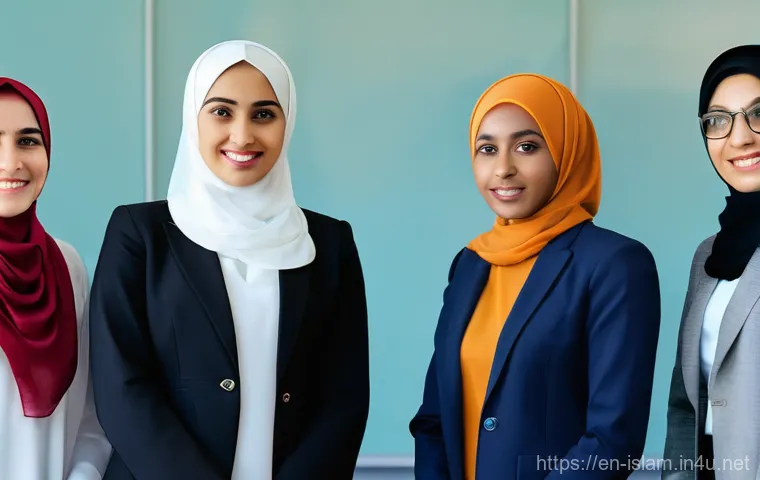
Okay, let’s talk about something that’s often misconstrued and sometimes deliberately misrepresented: the role of women in Islam. The media often paints a rather monolithic and restrictive picture, which frankly, completely misses the mark on the incredible diversity and historical agency of Muslim women. From what I’ve observed and learned, the reality is far more complex and empowering. Historically, Muslim women have been scholars, entrepreneurs, rulers, and spiritual guides. Think about Khadijah, the Prophet Muhammad’s first wife, who was a successful businesswoman, or Fatima al-Fihri, who founded the world’s oldest continually operating university in Fez, Morocco, way back in the 9th century! Today, you find Muslim women leading in every field imaginable – from politics and science to art and activism. Their roles are diverse, reflecting regional cultures, personal choices, and varying interpretations of religious texts. It’s truly inspiring to see how women are actively reclaiming their narratives, challenging patriarchal cultural norms that are often mistakenly attributed to Islam, and demonstrating immense resilience and leadership within their communities and beyond. They are not just recipients of faith; they are active shapers of it, contributing profoundly to Islamic thought and society. It’s a powerful testament to the inherent strength and intellect of women within the Islamic tradition, something that I believe deserves far more recognition.
Pioneers and Scholars: Historical Figures and Modern Leaders
Delving into Islamic history reveals a rich tapestry of influential women who have made indelible marks, often against significant odds. Beyond the well-known figures like Aisha, the Prophet’s wife and a renowned scholar and narrator of Hadith, there were countless others who shaped their societies. I’ve been utterly fascinated by figures like Rabia Basri, an 8th-century Sufi saint whose teachings on divine love continue to inspire millions, or Sultan Razia, who ruled Delhi in the 13th century. Fast forward to today, and you see Muslim women shattering glass ceilings everywhere. I’m thinking of women like Nobel laureate Malala Yousafzai, who champions education, or architects and engineers who are literally building the future. They are at the forefront of social justice movements, leading scientific research, and excelling in the arts, all while navigating their identities with grace and strength. This rich history and vibrant present clearly demonstrate that the narrative of oppression often associated with Muslim women is far from the whole truth; rather, it’s a story of resilience, intellect, and profound contribution.
Redefining Roles: Activism, Education, and Empowerment
Today, Muslim women are powerful agents of change, actively redefining their roles within their communities and globally. They are at the forefront of educational initiatives, establishing schools and mentoring younger generations. I’ve encountered countless examples of Muslim women entrepreneurs who are building successful businesses, creating jobs, and empowering other women economically. Moreover, they are fierce advocates for social justice, human rights, and gender equality, often working from within their faith traditions to challenge cultural practices that contradict Islamic teachings of justice and compassion. It’s truly inspiring to see them engaging in robust theological discussions, offering nuanced interpretations of religious texts, and spearheading movements for positive change. Their activism, whether in local mosques or on international platforms, underscores a dynamic engagement with faith that is both deeply personal and profoundly communal, illustrating their pivotal role in shaping the future of Islam and broader society. It really brings home the point that empowerment comes in many forms, and for many Muslim women, their faith is a source of immense strength and inspiration.
Art, Architecture, and Academia: The Enduring Legacy
One of the most awe-inspiring aspects of Islamic civilization, which often gets overshadowed, is its monumental contribution to art, architecture, and academia. Seriously, you can’t travel through regions like Andalusia, Central Asia, or even parts of India without being utterly captivated by the sheer brilliance of Islamic artistic and intellectual endeavors. From the intricate geometric patterns that adorn mosques and palaces to the breathtaking calligraphy that elevates written word to a high art form, Islamic art is a testament to an aesthetic vision deeply rooted in spirituality. And let’s not even get started on architecture! The domes, arches, minarets, and courtyards aren’t just pretty; they embody profound mathematical understanding and a sophisticated sense of space and light that influenced building styles for centuries across the globe. But it’s not just about aesthetics; the academic contributions are mind-boggling. During the “Golden Age of Islam,” scholars made groundbreaking advancements in mathematics, medicine, astronomy, philosophy, and optics, many of which laid the foundations for modern science. I mean, think about algebra, advancements in surgical techniques, or the development of algorithms – these aren’t just historical footnotes; they are enduring legacies that continue to impact our daily lives. It’s genuinely humbling to see how a faith can inspire such an explosion of human ingenuity and intellectual curiosity, proving that science and spirituality aren’t mutually exclusive but can flourish hand-in-hand.
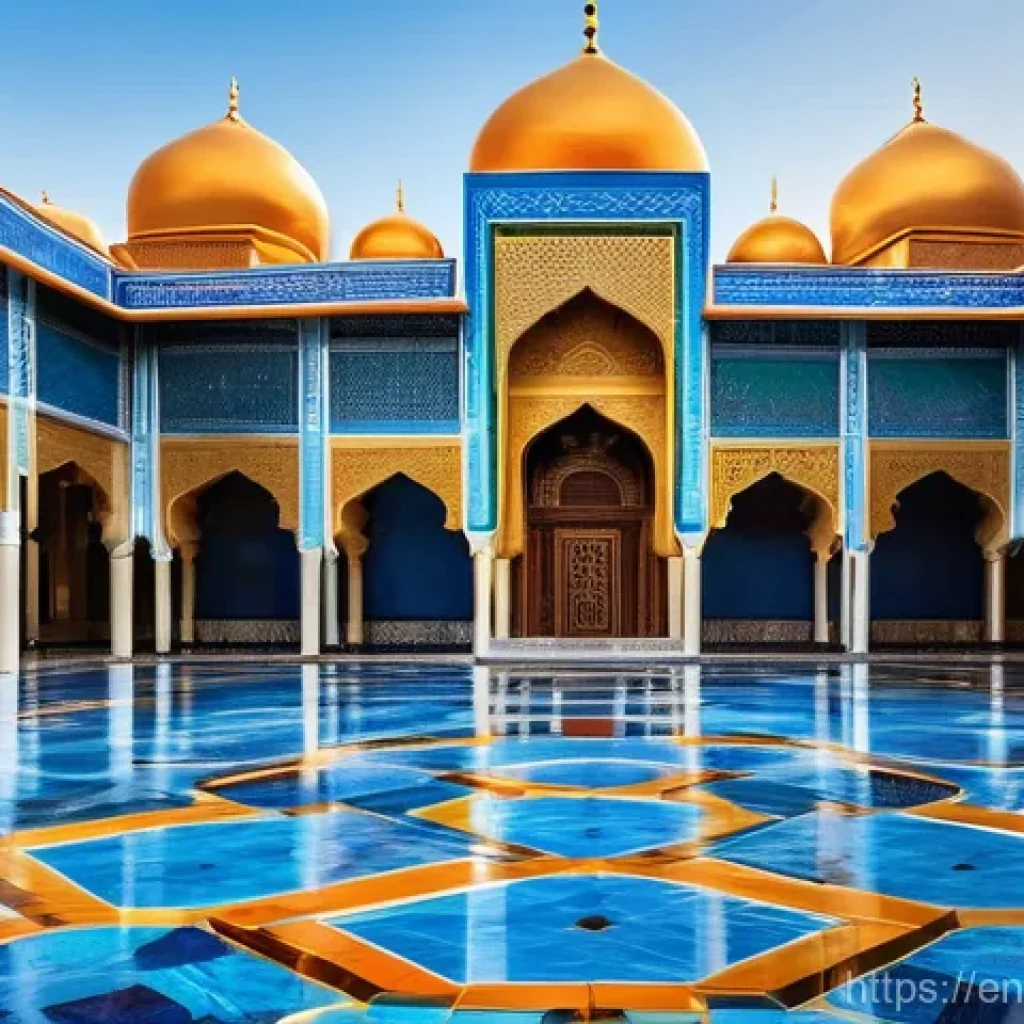
Architectural Marvels: Domes, Arches, and Intricate Designs
When I think of Islamic architecture, my mind immediately conjures images of stunning mosques with their majestic domes, towering minarets, and exquisitely carved arches. But it’s so much more than just religious buildings. From the fortified castles of the Alhambra in Spain to the grand palaces of the Ottoman Empire and the serene courtyards of traditional homes, Islamic architects developed sophisticated techniques and unique design principles. I’ve always been captivated by the use of light and shadow, the integration of water features, and the ingenious ventilation systems that kept buildings cool in hot climates – all centuries before modern air conditioning! The intricate tilework, known as zellige, and the complex geometric patterns aren’t just decorative; they often carry symbolic meanings, reflecting the infinite nature of God. It truly demonstrates a harmonious blend of aesthetics, functionality, and spiritual contemplation, creating spaces that are both beautiful to behold and deeply inspiring to experience. It’s a living legacy that continues to influence contemporary design and reminds us of the power of beauty in enhancing our daily lives.
The Golden Age of Learning: Science, Philosophy, and Innovation
It’s honestly hard to overstate the intellectual explosion that occurred during the Islamic Golden Age, roughly from the 8th to the 13th centuries. While Europe was experiencing its Dark Ages, Muslim scholars were busy translating, preserving, and building upon the knowledge of ancient Greece, Rome, Persia, and India. I remember reading about the House of Wisdom in Baghdad, a truly legendary center of learning where scholars from all backgrounds collaborated. We owe so much to figures like Ibn Sina (Avicenna), whose medical encyclopedia, “The Canon of Medicine,” was a standard text for centuries, or Al-Khwarizmi, who gave us algebra and algorithms. They weren’t just preserving knowledge; they were innovating, conducting experiments, developing new theories in astronomy, optics, and chemistry. It was a period of incredible intellectual curiosity and open-mindedness, where scientific inquiry was often seen as an act of worship, a way to better understand God’s creation. This period is a powerful testament to the fact that faith and reason, science and spirituality, can not only coexist but can also inspire monumental progress for all of humanity, a lesson that feels particularly relevant even today.
Connecting Through Shared Values: Bridging Divides
In a world that often feels fractured and polarized, I’ve found that focusing on shared human values is absolutely crucial, and Islam, at its core, offers a rich framework for exactly that. Beyond the headlines and political rhetoric, when you actually engage with Muslim communities, you quickly discover a deep emphasis on compassion, justice, charity, and community solidarity. These aren’t just abstract concepts; they are lived values that manifest in everyday actions, from caring for the elderly and supporting the less fortunate to advocating for fairness in society. I’ve personally witnessed the immense generosity of Muslims during various charitable initiatives, seen their unwavering commitment to justice in their advocacy work, and felt the genuine warmth of their hospitality. It really makes you realize that beneath the layers of cultural difference and varying interpretations, there’s a powerful current of shared humanity that binds us all. Focusing on these universal values – the importance of family, the pursuit of knowledge, respect for elders, protection of the vulnerable – can serve as incredibly strong bridges between people of different faiths and backgrounds. It’s a reminder that we have far more in common than what divides us, and that true understanding often begins with a willingness to look beyond stereotypes and connect on a human level. This perspective has truly enriched my own life and understanding of the world, showing me that empathy is always the strongest tool for connection.
The Ethos of Compassion: Zakat and Community Support
One of the foundational pillars of Islam that deeply impresses me is the concept of Zakat – obligatory charity. It’s not just a suggestion; it’s a built-in mechanism for wealth redistribution, ensuring that those less fortunate in society are cared for. I’ve seen firsthand how this principle translates into vibrant community support systems, where local mosques and Islamic organizations run food banks, provide housing assistance, and offer aid to refugees and those in need, regardless of their background. It goes beyond just Zakat too; there’s a strong emphasis on *sadaqa*, voluntary charity, which encourages everyday acts of kindness and generosity. This focus on social justice and helping the vulnerable truly reflects a deep-seated ethos of compassion that permeates Islamic teachings. It’s a powerful reminder that faith isn’t just about personal devotion; it’s about active participation in building a more equitable and caring society. This collective responsibility for one another is something I find incredibly inspiring and something that many other cultures and faiths can certainly relate to and appreciate.
Interfaith Dialogue: Fostering Mutual Respect
In our increasingly interconnected world, fostering interfaith dialogue is more important than ever, and I’ve seen many Muslim individuals and organizations actively engaged in building bridges of understanding with people of other faiths. It’s about breaking down walls, dispelling misconceptions, and finding common ground. I remember attending an interfaith panel discussion where Muslim, Christian, and Jewish leaders shared their perspectives on shared values like peace, justice, and environmental stewardship, and it was truly enlightening. These dialogues are not about converting others or diluting one’s own faith; they are about cultivating mutual respect, learning from diverse spiritual paths, and collaborating on common societal goals. It’s an act of courage and humility to step into these conversations, and I’ve always found that they lead to deeper insights not just about others’ beliefs, but about one’s own as well. This willingness to engage openly and respectfully is a powerful demonstration of Islam’s capacity to contribute to a more harmonious and understanding global community, proving that unity can emerge from diversity.
Embracing the Kaleidoscope: Islam’s Global Tapestry
You know, when I first started traveling, my perception of Islam was, frankly, pretty narrow. I think a lot of us, especially in the West, are fed this rather singular image that just doesn’t reflect the breathtaking reality. But as I journeyed through different corners of the world, from the bustling souks of Morocco to the serene temples of Southeast Asia, I quickly realized that Islam is less of a monochrome painting and more of a vibrant, intricate kaleidoscope. It’s absolutely mind-blowing to witness how faith intertwines with local customs, languages, and artistic expressions, creating something truly unique in each region. We’re talking about communities where Islamic principles have been woven into the fabric of society for centuries, adapting and evolving in ways that are both deeply traditional and wonderfully innovative. I mean, think about the architectural marvels in Uzbekistan or the melodic recitations in Indonesia – these aren’t just different styles; they’re testaments to how local genius and global faith can beautifully converge. This rich cultural exchange is precisely what makes the global Muslim community so incredibly dynamic and, dare I say, endlessly fascinating. It’s a testament to the fact that diversity isn’t just tolerated within Islam; it’s often celebrated as a sign of divine creation and an invitation for us all to learn and connect on a much deeper level than the headlines often suggest. It’s a journey of discovery, really, and one that consistently reminds me of the sheer beauty of human adaptation and shared spirituality.
A Symphony of Cultures: From Timbuktu to Kuala Lumpur
It’s genuinely incredible how Islam, while maintaining its core tenets, has managed to embrace and enrich countless local cultures without losing its essence. I remember being in Malaysia and seeing how Islamic traditions were seamlessly blended with Malay customs, creating ceremonies and daily practices that felt distinct yet undeniably Muslim. Then, on another trip, I found myself captivated by the Sufi traditions in places like Senegal, where music and dance become powerful forms of worship, completely different from what I’d experienced elsewhere. It truly hit me then: there isn’t one ‘right’ way to be Muslim; there are millions of right ways, all under the broad umbrella of faith. This adaptability has allowed Islam to spread and flourish across continents, not as a colonizing force that erases local identities, but often as a cultural enhancer, adding new layers of meaning and expression. The mosques in China, for example, often feature traditional Chinese architectural styles, complete with pagoda roofs, which is something I found utterly charming and insightful. It speaks volumes about the capacity of faith to resonate with diverse human experiences.
The Living Heritage: Languages, Arts, and Local Customs
One of the aspects that absolutely fascinates me is the linguistic and artistic diversity within the Islamic world. Beyond Arabic, which holds a sacred place as the language of the Quran, you find countless languages shaping the Islamic experience. Think about Urdu poetry, Persian calligraphy, or the rich oral traditions in Swahili-speaking Muslim communities. These aren’t just translations; they are distinct cultural expressions of faith. I recall seeing intricate Islamic geometric patterns adorning buildings in Spain, a testament to centuries of Moorish influence, which felt worlds away from the vibrant textile art I encountered in West Africa, both deeply rooted in Islamic aesthetics. It’s like each region adds its own unique brushstroke to a grand, ongoing masterpiece. This isn’t just about preserving heritage; it’s about continuously creating new forms of expression that reflect contemporary realities while honoring ancient wisdom. It really makes you appreciate how a single faith can inspire such an astonishing array of human creativity and cultural richness across the globe.
Beyond the Arab World: Diverse Muslim Communities
When most people think of Muslims, their minds often jump straight to the Middle East, and while that region is undeniably significant to Islamic history and identity, it’s just a piece of a much larger, more intricate puzzle. Honestly, it took me a while to truly grasp the sheer scale of Muslim populations outside of the Arab world, and when I did, it completely reshaped my understanding. Did you know that Indonesia, a country in Southeast Asia, boasts the largest Muslim population globally? I mean, think about that for a second! It’s a vibrant, incredibly diverse nation with unique traditions, languages, and cultures that are distinctly its own, yet deeply rooted in Islam. And it doesn’t stop there. We have thriving, ancient Muslim communities stretching across sub-Saharan Africa, in places like Nigeria and Mali, where the faith has intertwined with indigenous practices for centuries. Then there are the massive Muslim populations in South Asia, particularly in India and Pakistan, each with their own rich tapestry of history, art, and philosophical interpretations. Even in Europe and the Americas, Muslim communities are flourishing, bringing their diverse backgrounds and contributing significantly to the cultural landscape. It’s a powerful reminder that the Muslim identity is truly global, transcending geographical and ethnic boundaries in ways that are often overlooked in mainstream narratives. My own journey meeting Muslims from these varied backgrounds has been nothing short of transformative, offering glimpses into traditions and perspectives I never even knew existed.
Southeast Asian Islam: A Unique Blend
My visit to Southeast Asia, particularly Indonesia and Malaysia, was a real eye-opener. It challenged every preconceived notion I had about what “Muslim culture” looked like. Here, Islam has taken on a distinctly gentle and syncretic character, often blending with pre-existing Hindu, Buddhist, and animist beliefs. You’ll find mosques adorned with traditional Javanese carvings, and local festivals often incorporate elements that predate Islam’s arrival. I was particularly struck by the warmth and hospitality of the people, and how their interpretation of faith seemed to emphasize community harmony and moderation. The food, the music, the intricate batik patterns – it all spoke of an Islam that is deeply integrated into the local way of life, creating a cultural expression that is vibrant, inclusive, and unmistakably Southeast Asian. It’s a far cry from the images often portrayed in media, showcasing a version of Islam that is both ancient and thoroughly modern, constantly evolving while staying true to its spiritual core.
African Muslim Heritage: A Legacy of Scholarship and Art
Stepping into the Muslim communities of Africa felt like walking through living history. From the ancient libraries of Timbuktu, once a renowned center of Islamic scholarship, to the vibrant Sufi lodges across Senegal and Morocco, the African continent holds an incredibly rich and often underappreciated Islamic legacy. I was particularly moved by the deep spiritual traditions and the emphasis on oral history and community elders. In many parts of West Africa, for example, Islam arrived not through conquest, but through trade and the gentle persuasion of scholars and merchants, allowing for a profound integration with existing societal structures. The architectural styles, the unique drumming rhythms used in religious ceremonies, and the distinctive dress codes all showcase an Islam that has beautifully adapted to and enriched the diverse cultures of Africa. It truly highlights how Islam isn’t a monolith, but a dynamic faith that takes on the colors and textures of the lands it inhabits, creating a truly diverse and awe-inspiring tapestry.
Faith in Flux: Interpretations and Traditions
It’s easy to assume that a global faith like Islam presents a completely unified front, where everyone practices and interprets scripture in exactly the same way. But, oh boy, is that a misconception! From my own experiences talking to different Muslim friends and visiting various communities, I’ve learned that the internal landscape of Islamic thought and practice is as diverse as its geography. You have different schools of thought within both Sunni and Shia Islam, each with its own rich history of scholarship, legal interpretations, and theological nuances. Some communities might lean towards more mystical Sufi traditions, emphasizing a personal, inward journey to connect with the divine through poetry, music, and meditation. Others might prioritize legal scholarship and adherence to specific jurisprudential schools, focusing on community laws and ethical frameworks. The beautiful thing is that these aren’t necessarily conflicting paths; they often represent different avenues to approach and express faith, all rooted in the core tenets of Islam. It truly opened my eyes to the intellectual depth and spiritual breadth that exists, reminding me that understanding a faith isn’t just about reading a text, but about engaging with the living, breathing traditions and interpretations of its adherents. It really makes you think about how adaptable and multifaceted faith can be in addressing the complexities of human existence.
Diverse Approaches to Islamic Law and Ethics
When we talk about Islamic law, or Sharia, it’s not a single, rigid code that applies universally in the same way. It’s actually a complex system of jurisprudence built upon different schools of thought, primarily within Sunni and Shia Islam, that have evolved over centuries. I remember having a fascinating conversation with a legal scholar who explained how different regions adopted various schools, leading to distinct interpretations on matters ranging from finance to family law. For instance, the Maliki school is prominent in North Africa, while the Hanafi school holds sway in parts of South Asia and Turkey, and they often have differing views on specific issues. This intellectual dynamism means that while the core principles remain constant, their application can vary significantly based on scholarly consensus, local customs, and judicial precedent. It truly showcases the rich intellectual tradition within Islam, where reasoned debate and scholarly inquiry are deeply valued, leading to a spectrum of ethical and legal considerations that address diverse societal needs.
The Mystical Path: Sufism and Inner Spirituality
One of the most profound aspects of Islamic diversity that truly resonates with me is Sufism, the mystical dimension of Islam. It’s often misunderstood, but for many, it represents a deeply personal and emotionally rich journey towards spiritual purification and a direct experience of the divine. I’ve had the privilege of witnessing Sufi ceremonies, from the mesmerizing whirling dervishes in Turkey to the rhythmic chanting (dhikr) in North African lodges, and each experience left me with a sense of awe and deep peace. Sufi teachings emphasize love, compassion, and the pursuit of inner truth, often expressed through exquisite poetry, music, and philosophical writings. Figures like Rumi, whose poems speak of universal love, are revered globally, transcending religious boundaries. This emphasis on the inward journey, on purifying the heart and fostering a deep, personal connection with God, offers a beautiful counter-narrative to the often-politicized portrayals of Islam, showcasing its profound spiritual depth and its capacity to inspire immense personal transformation and universal understanding.
| Region | Predominant Islamic Influence | Unique Cultural Blends | Notable Practices/Art Forms |
|---|---|---|---|
| Southeast Asia (e.g., Indonesia, Malaysia) | Sunni (Shafi’i school) | Indigenous, Hindu, Buddhist influences; syncretic practices | Batik art, Gamelan music, Wayang kulit (shadow puppetry), local festive traditions |
| North Africa (e.g., Morocco, Egypt) | Sunni (Maliki school) | Berber, ancient Egyptian, Mediterranean influences | Sufi rituals (e.g., Gnawa music), intricate tilework (Zellige), traditional calligraphy |
| South Asia (e.g., India, Pakistan) | Sunni (Hanafi school), Shia (various) | Hindu, Persian, Central Asian influences | Mughal architecture, Urdu poetry, Qawwali music, vibrant textile arts |
| Sub-Saharan Africa (e.g., Nigeria, Senegal) | Sunni (Maliki school) | Indigenous African spiritual practices, oral traditions | Griot storytelling, drumming ceremonies, distinctive dress, mud architecture |
| Central Asia (e.g., Uzbekistan, Kazakhstan) | Sunni (Hanafi school) | Turkic, Persian, nomadic influences | Silk Road architecture, carpet weaving, traditional music (e.g., Maqam), miniature painting |
Modern Muslim Identities: Navigating the West and Beyond
It’s truly fascinating to observe how Muslim identities are evolving and adapting in our interconnected world, especially in Western societies. For a long time, the narrative often centered on Muslims in traditionally Muslim-majority countries, but what about the millions who live as minorities, forging their lives and faith in places like London, New York, or Berlin? I’ve had countless conversations with young Muslims in these cities, and their experiences are incredibly rich and nuanced. They’re often navigating multiple identities – being British and Muslim, American and Muslim, or French and Muslim – creating a vibrant synthesis of cultures. This isn’t about abandoning heritage; it’s about innovating, finding new ways to express faith that resonate with contemporary life while staying true to their spiritual roots. It’s a dynamic process of both integration and affirmation, where young people are actively shaping what it means to be Muslim in the 21st century. They’re engaging with social justice issues, contributing to arts and culture, and building bridges between communities, all while drawing strength and guidance from their faith. It really makes you appreciate the resilience and creativity of these communities as they carve out spaces for themselves and redefine what it means to belong in a globalized world.
Youth and Digital Islam: New Forms of Engagement
One of the most exciting developments I’ve noticed is how young Muslims are leveraging digital platforms to connect, learn, and express their faith. Forget the stereotype of isolated communities; these digital natives are creating vibrant online spaces, from podcasts discussing contemporary Islamic issues to social media channels sharing diverse Muslim experiences, and even apps for Quranic learning and prayer times. I’ve personally followed several young Muslim influencers who are breaking down stereotypes and offering fresh perspectives on everything from fashion to social activism, all through an Islamic lens. This digital engagement isn’t just about passive consumption; it’s about active participation, fostering a sense of community that transcends geographical boundaries and offering platforms for voices that might otherwise be unheard. It’s a powerful testament to how technology can empower individuals to shape their own narratives and build connections in incredibly innovative ways, proving that faith can be both ancient and incredibly modern.
Building Bridges: Muslim Contributions in Western Societies
It’s important to shine a light on the immense and often overlooked contributions of Muslim communities in Western societies. From pioneering doctors and scientists to award-winning artists and entrepreneurs, Muslims are integral to the social, economic, and cultural fabric of countries across Europe and North America. I’ve been truly inspired by community leaders who are actively working to dispel misconceptions, foster interfaith dialogue, and address societal challenges like poverty and inequality. They’re not just integrating; they’re enriching. Whether it’s through establishing food banks, running successful businesses that employ thousands, or contributing to the arts scene with unique perspectives, their impact is profound. It’s a powerful reminder that diversity is a strength, and when different cultures and faiths come together, they create a more vibrant, resilient, and compassionate society for everyone. These contributions are a testament to the fact that identity is multifaceted and that faith can be a powerful motivator for positive change and civic engagement.
Women in Islam: Voices, Roles, and Contributions
Okay, let’s talk about something that’s often misconstrued and sometimes deliberately misrepresented: the role of women in Islam. The media often paints a rather monolithic and restrictive picture, which frankly, completely misses the mark on the incredible diversity and historical agency of Muslim women. From what I’ve observed and learned, the reality is far more complex and empowering. Historically, Muslim women have been scholars, entrepreneurs, rulers, and spiritual guides. Think about Khadijah, the Prophet Muhammad’s first wife, who was a successful businesswoman, or Fatima al-Fihri, who founded the world’s oldest continually operating university in Fez, Morocco, way back in the 9th century! Today, you find Muslim women leading in every field imaginable – from politics and science to art and activism. Their roles are diverse, reflecting regional cultures, personal choices, and varying interpretations of religious texts. It’s truly inspiring to see how women are actively reclaiming their narratives, challenging patriarchal cultural norms that are often mistakenly attributed to Islam, and demonstrating immense resilience and leadership within their communities and beyond. They are not just recipients of faith; they are active shapers of it, contributing profoundly to Islamic thought and society. It’s a powerful testament to the inherent strength and intellect of women within the Islamic tradition, something that I believe deserves far more recognition.
Pioneers and Scholars: Historical Figures and Modern Leaders
Delving into Islamic history reveals a rich tapestry of influential women who have made indelible marks, often against significant odds. Beyond the well-known figures like Aisha, the Prophet’s wife and a renowned scholar and narrator of Hadith, there were countless others who shaped their societies. I’ve been utterly fascinated by figures like Rabia Basri, an 8th-century Sufi saint whose teachings on divine love continue to inspire millions, or Sultan Razia, who ruled Delhi in the 13th century. Fast forward to today, and you see Muslim women shattering glass ceilings everywhere. I’m thinking of women like Nobel laureate Malala Yousafzai, who champions education, or architects and engineers who are literally building the future. They are at the forefront of social justice movements, leading scientific research, and excelling in the arts, all while navigating their identities with grace and strength. This rich history and vibrant present clearly demonstrate that the narrative of oppression often associated with Muslim women is far from the whole truth; rather, it’s a story of resilience, intellect, and profound contribution.
Redefining Roles: Activism, Education, and Empowerment
Today, Muslim women are powerful agents of change, actively redefining their roles within their communities and globally. They are at the forefront of educational initiatives, establishing schools and mentoring younger generations. I’ve encountered countless examples of Muslim women entrepreneurs who are building successful businesses, creating jobs, and empowering other women economically. Moreover, they are fierce advocates for social justice, human rights, and gender equality, often working from within their faith traditions to challenge cultural practices that contradict Islamic teachings of justice and compassion. It’s truly inspiring to see them engaging in robust theological discussions, offering nuanced interpretations of religious texts, and spearheading movements for positive change. Their activism, whether in local mosques or on international platforms, underscores a dynamic engagement with faith that is both deeply personal and profoundly communal, illustrating their pivotal role in shaping the future of Islam and broader society. It really brings home the point that empowerment comes in many forms, and for many Muslim women, their faith is a source of immense strength and inspiration.
Art, Architecture, and Academia: The Enduring Legacy
One of the most awe-inspiring aspects of Islamic civilization, which often gets overshadowed, is its monumental contribution to art, architecture, and academia. Seriously, you can’t travel through regions like Andalusia, Central Asia, or even parts of India without being utterly captivated by the sheer brilliance of Islamic artistic and intellectual endeavors. From the intricate geometric patterns that adorn mosques and palaces to the breathtaking calligraphy that elevates written word to a high art form, Islamic art is a testament to an aesthetic vision deeply rooted in spirituality. And let’s not even get started on architecture! The domes, arches, minarets, and courtyards aren’t just pretty; they embody profound mathematical understanding and a sophisticated sense of space and light that influenced building styles for centuries across the globe. But it’s not just about aesthetics; the academic contributions are mind-boggling. During the “Golden Age of Islam,” scholars made groundbreaking advancements in mathematics, medicine, astronomy, philosophy, and optics, many of which laid the foundations for modern science. I mean, think about algebra, advancements in surgical techniques, or the development of algorithms – these aren’t just historical footnotes; they are enduring legacies that continue to impact our daily lives. It’s genuinely humbling to see how a faith can inspire such an explosion of human ingenuity and intellectual curiosity, proving that science and spirituality aren’t mutually exclusive but can flourish hand-in-hand.
Architectural Marvels: Domes, Arches, and Intricate Designs
When I think of Islamic architecture, my mind immediately conjures images of stunning mosques with their majestic domes, towering minarets, and exquisitely carved arches. But it’s so much more than just religious buildings. From the fortified castles of the Alhambra in Spain to the grand palaces of the Ottoman Empire and the serene courtyards of traditional homes, Islamic architects developed sophisticated techniques and unique design principles. I’ve always been captivated by the use of light and shadow, the integration of water features, and the ingenious ventilation systems that kept buildings cool in hot climates – all centuries before modern air conditioning! The intricate tilework, known as zellige, and the complex geometric patterns aren’t just decorative; they often carry symbolic meanings, reflecting the infinite nature of God. It truly demonstrates a harmonious blend of aesthetics, functionality, and spiritual contemplation, creating spaces that are both beautiful to behold and deeply inspiring to experience. It’s a living legacy that continues to influence contemporary design and reminds us of the power of beauty in enhancing our daily lives.
The Golden Age of Learning: Science, Philosophy, and Innovation
It’s honestly hard to overstate the intellectual explosion that occurred during the Islamic Golden Age, roughly from the 8th to the 13th centuries. While Europe was experiencing its Dark Ages, Muslim scholars were busy translating, preserving, and building upon the knowledge of ancient Greece, Rome, Persia, and India. I remember reading about the House of Wisdom in Baghdad, a truly legendary center of learning where scholars from all backgrounds collaborated. We owe so much to figures like Ibn Sina (Avicenna), whose medical encyclopedia, “The Canon of Medicine,” was a standard text for centuries, or Al-Khwarizmi, who gave us algebra and algorithms. They weren’t just preserving knowledge; they were innovating, conducting experiments, developing new theories in astronomy, optics, and chemistry. It was a period of incredible intellectual curiosity and open-mindedness, where scientific inquiry was often seen as an act of worship, a way to better understand God’s creation. This period is a powerful testament to the fact that faith and reason, science and spirituality, can not only coexist but can also inspire monumental progress for all of humanity, a lesson that feels particularly relevant even today.
Connecting Through Shared Values: Bridging Divides
In a world that often feels fractured and polarized, I’ve found that focusing on shared human values is absolutely crucial, and Islam, at its core, offers a rich framework for exactly that. Beyond the headlines and political rhetoric, when you actually engage with Muslim communities, you quickly discover a deep emphasis on compassion, justice, charity, and community solidarity. These aren’t just abstract concepts; they are lived values that manifest in everyday actions, from caring for the elderly and supporting the less fortunate to advocating for fairness in society. I’ve personally witnessed the immense generosity of Muslims during various charitable initiatives, seen their unwavering commitment to justice in their advocacy work, and felt the genuine warmth of their hospitality. It really makes you realize that beneath the layers of cultural difference and varying interpretations, there’s a powerful current of shared humanity that binds us all. Focusing on these universal values – the importance of family, the pursuit of knowledge, respect for elders, protection of the vulnerable – can serve as incredibly strong bridges between people of different faiths and backgrounds. It’s a reminder that we have far more in common than what divides us, and that true understanding often begins with a willingness to look beyond stereotypes and connect on a human level. This perspective has truly enriched my own life and understanding of the world, showing me that empathy is always the strongest tool for connection.
The Ethos of Compassion: Zakat and Community Support
One of the foundational pillars of Islam that deeply impresses me is the concept of Zakat – obligatory charity. It’s not just a suggestion; it’s a built-in mechanism for wealth redistribution, ensuring that those less fortunate in society are cared for. I’ve seen firsthand how this principle translates into vibrant community support systems, where local mosques and Islamic organizations run food banks, provide housing assistance, and offer aid to refugees and those in need, regardless of their background. It goes beyond just Zakat too; there’s a strong emphasis on *sadaqa*, voluntary charity, which encourages everyday acts of kindness and generosity. This focus on social justice and helping the vulnerable truly reflects a deep-seated ethos of compassion that permeates Islamic teachings. It’s a powerful reminder that faith isn’t just about personal devotion; it’s about active participation in building a more equitable and caring society. This collective responsibility for one another is something I find incredibly inspiring and something that many other cultures and faiths can certainly relate to and appreciate.
Interfaith Dialogue: Fostering Mutual Respect
In our increasingly interconnected world, fostering interfaith dialogue is more important than ever, and I’ve seen many Muslim individuals and organizations actively engaged in building bridges of understanding with people of other faiths. It’s about breaking down walls, dispelling misconceptions, and finding common ground. I remember attending an interfaith panel discussion where Muslim, Christian, and Jewish leaders shared their perspectives on shared values like peace, justice, and environmental stewardship, and it was truly enlightening. These dialogues are not about converting others or diluting one’s own faith; they are about cultivating mutual respect, learning from diverse spiritual paths, and collaborating on common societal goals. It’s an act of courage and humility to step into these conversations, and I’ve always found that they lead to deeper insights not just about others’ beliefs, but about one’s own as well. This willingness to engage openly and respectfully is a powerful demonstration of Islam’s capacity to contribute to a more harmonious and understanding global community, proving that unity can emerge from diversity.
Wrapping Up Our Journey
Whew, what a journey we’ve taken together, right? It’s genuinely invigorating to peel back the layers and discover the sheer depth and vibrancy of Islam’s global tapestry. Moving beyond simplistic narratives, we find a faith that embraces a breathtaking array of cultures, traditions, and intellectual pursuits, all while being rooted in universal values like compassion and justice. My hope is that this deep dive has offered you a fresh perspective and perhaps even sparked a desire to explore more, challenging those preconceived notions and opening your heart to the incredible diversity that truly defines the global Muslim community. It’s a beautiful, ongoing story, and I’m always thrilled to share bits of it with you.
Useful Insights for Your Global Compass
1. Indonesia Has the Largest Muslim Population: It’s often surprising to learn that this Southeast Asian nation, not a Middle Eastern one, is home to the most Muslims worldwide, showcasing Islam’s true global reach.
2. Sufism is a Mystical Dimension: Many Muslims engage with Sufi traditions, which emphasize a personal, spiritual path to divine love and often involve unique forms of poetry, music, and meditation.
3. Islamic Art is Diverse and Symbolic: Beyond calligraphy, look for intricate geometric patterns (tessellations), floral motifs (arabesques), and magnificent architectural elements like domes and arches, each carrying deep cultural and spiritual meanings.
4. Women Have a Rich History of Leadership: From scholars and entrepreneurs in early Islamic history to modern-day activists and scientists, Muslim women have consistently played pivotal roles in shaping societies and intellectual thought.
5. Interfaith Dialogue is Crucial: Many Muslim communities actively engage in discussions with people of other faiths, focusing on shared values like peace, justice, and community service to build bridges of understanding and cooperation.
Key Takeaways to Ponder
What I truly want you to walk away with is this: Islam is a profoundly diverse faith, far richer and more complex than any single narrative can capture. It’s a living, breathing tapestry woven with countless cultural threads from every corner of the globe, each contributing unique colors and textures. From the architectural wonders of Central Asia to the vibrant spiritual expressions in Africa, and the intellectual legacies that shaped our modern world, the global Muslim community offers a testament to human ingenuity, resilience, and a deep-seated commitment to shared values. Understanding this diversity isn’t just about knowledge; it’s about fostering empathy, breaking down barriers, and recognizing the shared humanity that connects us all. Keep an open mind and a curious heart, and you’ll find there’s always so much more to discover.
Frequently Asked Questions (FAQ) 📖
Q: What exactly makes the global Muslim community so diverse, beyond just where people live?
A: That’s a fantastic question, and it really gets to the heart of what often gets missed! When we talk about the diversity within Islam, it’s so much more than just geography, though that plays a huge role in shaping things, of course.
From my experience, and what I’ve seen traveling and talking to people, it’s a beautiful blend of cultural traditions, linguistic variations, and even different interpretations of Islamic teachings that all contribute to this rich tapestry.
Think about it: Islam spread across vast empires and regions, from the earliest Islamic states to places like Southeast Asia, Sub-Saharan Africa, and even parts of Europe, and each place already had its own unique customs, languages, and artistic expressions.
When Islam arrived, it often integrated with these local cultures rather than replacing them entirely, creating distinct forms of Islamic art, architecture, music, and social practices.
For example, the call to prayer (adhān) in Indonesian rainforests might have been adapted using “talking” drums because the human voice just couldn’t carry as well.
You also have linguistic diversity; Muslims speak everything from Urdu to Bahasa, each carrying its own cultural significance. And then there are the different schools of thought and branches, like Sunni and Shia, which emerged from historical disagreements and developed distinct theological views and interpretations of religious authority.
There are also mystical dimensions like Sufism, which are embraced differently across regions. So, it’s this incredible interplay of faith, history, and local life that makes being Muslim such a uniquely varied experience for each individual and community.
It’s truly eye-opening when you realize it!
Q: How does Islam actually adapt to local cultures without losing its core principles? Is that even possible?
A: Absolutely, and it’s one of the most fascinating aspects of Islam’s global journey! It’s a common misconception that Islam demands a rigid, monolithic cultural expression, but my personal journey of discovery has shown me quite the opposite.
Islam’s core message is versatile enough to thrive in diverse climates and cultural contexts without negating its fundamental values. The Quran itself emphasizes knowing one another through our different nations and tribes, which inherently promotes understanding and interaction with diverse peoples.
Historically, Muslim scholars and communities have shown a remarkable ability to adapt indigenous norms creatively, preserving what is good in society while correcting what goes against Islamic principles.
For instance, in places like Indonesia, when Islam was introduced, the “Wali Songo” or “nine saints” adopted local arts and traditions like Gamelan music and Wayang Golek puppet theater to teach Islamic principles, which attracted many to the faith.
Even architectural styles for mosques vary significantly by region, designed to blend harmoniously with local environments rather than imposing a single style.
The Prophet Muhammad (PBUH) himself set an example by living in harmony with pre-Islamic Arabian cultures, only repealing what was degenerate. This shows me that Islam isn’t about erasing culture, but enriching it, making it clear that you can totally embrace your cultural identity while maintaining your Islamic faith.
It’s about a beautiful integration, not a forceful assimilation, which is honestly quite profound.
Q: People often think of all Muslims as a single, unified group with the same beliefs and practices. Why is this a misconception?
A: Oh, this is such a big one, and it’s a stereotype that really bothers me because it just doesn’t reflect reality! The idea of Muslims being a single, homogenous blob is definitely a huge misconception that often comes from a lack of understanding or media portrayals.
From my own experiences chatting with people from all walks of life, I’ve learned that Muslims are incredibly diverse in their nationalities, ethnicities, languages, traditions, and even their daily religious practices.
Just think, Islam is the world’s second-largest religion, with over 2 billion followers spread across every continent. That alone should tell us how varied their lives must be!
While Muslims are united by core beliefs like the oneness of God and the prophethood of Muhammad, and share fundamental practices like fasting during Ramadan and daily prayers, the way these are expressed can differ significantly.
For example, what one Muslim woman wears as modest dress in Turkey (jeans and a hijab) might be different from someone in Iran (traditional veil). Even within the major branches of Sunni and Shia Islam, there are different schools of jurisprudence and varying levels of religious commitment.
There are also “cultural Muslims” who identify with Islam due to heritage but might not strictly practice the faith. Plus, societal norms and local customs often shape how faith is expressed, which can lead to disparities, like differences in mosque attendance between men and women in some regions due to cultural reasons rather than religious doctrine.
So, when someone asks if all Muslims believe or act the same way, I always say, “Nope! Imagine expecting every Christian, Buddhist, or Jew to be exactly alike — it’s the same for Muslims!” It’s this beautiful, intricate mosaic of individual experiences that makes the global Muslim community so vibrant and real.